





New PayID Pokies in Australia: Payments Explained
 Available in AU
PayID uses a registered phone number or email to direct bank transfers, while the funds still move between bank accounts.

Table of Contents
- What PayID Changes When You Pay Online
- The PayID Details That Can Make or Break a Transfer
- PayID in Australia: What to Check Before You Proceed
- New PayID Pokies: Deposits, Withdrawals and the Wait in Between
- How to Judge a PayID Option Without a ‘Best’ List
- Real-Money Payments: Read the Conditions Before You Commit
What PayID Changes When You Pay Online
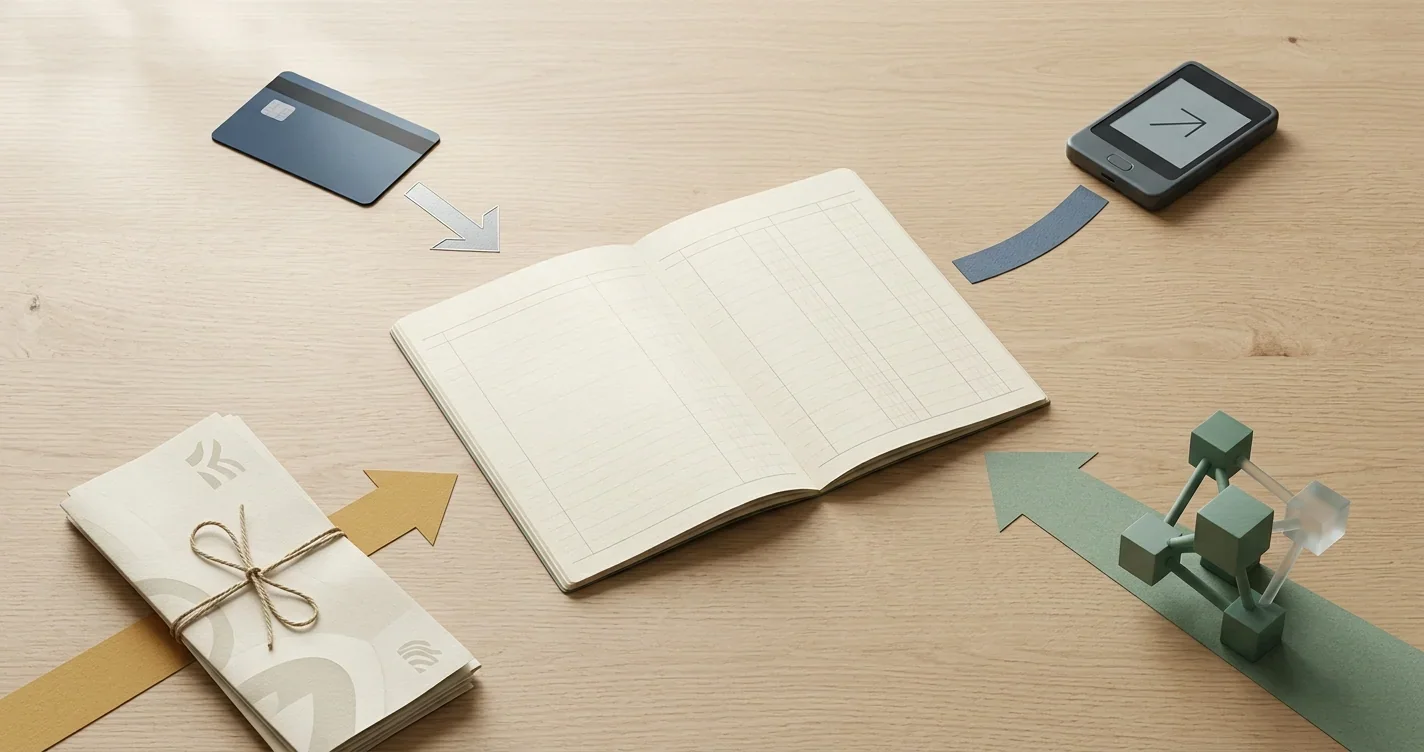
PayID changes what you need to enter when sending a payment. Instead of relying on bank account details as the identifier shown to you, the system lets a person or business be identified by a registered mobile phone number or email address. The identifier points to a bank account through Australia’s New Payments Platform (NPP), which carries the transfer between banks.
That is the basic idea behind PayID: a familiar contact detail can stand in for a string of banking information. You still make a bank transfer, but the receiving party can give you an identifier to use rather than asking you to type in account details. For an online payment, that can make the payment step feel more recognisable. I find it easier to understand what I’m being asked to enter when it looks like a phone number or email, rather than a collection of banking fields.
The identifier is not itself the money, and it is not a separate wallet. PayID is a way to address a payment through the banking system. The funds move between bank accounts through the NPP; the phone number or email helps direct that transfer. Thinking of it this way clears up a common bit of confusion: PayID is not a promise about the service receiving the money. It is a payment method.
If you’re looking for new PayID pokies in Australia in 2026, check the available payment details and licensing information before choosing a casino. This list highlights the specific facts available for each operator.
License: Curacao Gaming Control Board OGL/2023/176/0095 (Hollycorn N.V.) You can note that LuckyVibe lists a Curaçao Gaming Control Board licence, OGL/2023/176/0095, held by Hollycorn N.V.
License: Curacao Gaming Control Board OGL/2023/176/0095 (Hollycorn N.V.) Neospin lists a Curaçao Gaming Control Board licence, OGL/2023/176/0095, held by Hollycorn N.V.
License: Curacao eGaming OGL/2023/174/0082 (Dama N.V.) · Min. deposit: A$15 You can start with a minimum deposit of A$15 at LevelUp Casino. Its listed licence is Curaçao eGaming OGL/2023/174/0082, held by Dama N.V.
License: international iGaming licence – jurisdiction not named in the source · Payout speed: PayID 1-24 hours · Min. deposit: A$30 (PayID from A$10) House of Pokies lists PayID payouts of 1–24 hours and a minimum deposit of A$30, with PayID deposits from A$10. Its source describes the licence as international but does not name the jurisdiction.
License: Curacao Gaming Control Board OGL/2023/174/0082 (Dama N.V.) SpinsUp lists a Curaçao Gaming Control Board licence, OGL/2023/174/0082, held by Dama N.V.
License: Curacao eGaming (Roby Games Ltd) Roby Casino lists a Curaçao eGaming licence held by Roby Games Ltd.
License: Curacao · Min. deposit: A$20 (POLi) If you use POLi, Lucky Dreams lists a minimum deposit of A$20 with that payment method. Its listed licence is from Curaçao.
Payout speed: crypto under 1 hour, PayID 1-3 business days · Min. deposit: A$20 (A$30 to qualify for the bonus) Ricky Casino lists crypto payouts under one hour and PayID payouts in 1–3 business days. The minimum deposit is A$20, or A$30 to qualify for the bonus.
License: Curacao Gaming Authority (Jumpman Gaming Ltd) DragonSlots Casino lists a Curaçao Gaming Authority licence held by Jumpman Gaming Ltd.
Payout speed: crypto 30-120 minutes, fiat 24-72 hours · Min. deposit: A$30 MrPacho lists crypto payouts of 30–120 minutes and fiat payouts of 24–72 hours. Its minimum deposit is A$30.
Why an identifier can be useful
The practical appeal is simplicity. When you pay online, you want to know where the money is going and avoid getting bogged down in details. A unique identifier can make the destination easier to enter and remember. If you have ever copied a long set of bank details and then checked them several times because you were worried about a typo, you can see why a short identifier feels less awkward.
There is also less need to handle account information directly during the payment step. That does not mean you should treat every payment request as safe simply because it uses PayID. It means the system uses an identifier as the address for a bank transfer. The payment still deserves the same attention you would give any transfer, especially when you are sending money to an unfamiliar recipient.
PayID runs through the NPP, which supports quick transfers between participating banks. That infrastructure is why PayID can feel closer to an immediate digital payment than to a traditional transfer that leaves you waiting for the banking system to catch up. The speed comes from the payment network, not from the wording of the identifier. A phone number does not make a payment instant by magic. The system behind it does the work.

Fast movement can be handy, but it also means you should pause before confirming. I’ve learned that a payment screen can make a transfer feel routine when the decision itself is not. Check what the screen is asking you to send and to whom, rather than letting a familiar-looking identifier rush you along. A quick payment is still a real transfer.
What PayID does not change
PayID does not replace your bank, and it does not decide whether the thing you are paying for is lawful, fair or reliable. It handles the route for a payment; it does not assess the recipient’s promises. If an online service presents PayID as proof that it is trustworthy, that is a claim about the service, not a feature of PayID.
That distinction matters when the phrase “PayID pokies” appears in an offer or payment page. The payment method may be available as a way to move funds, but its availability does not make real-money online casino games lawful for operators to provide to people in Australia. Under the Interactive Gambling Act 2001, providing online casino-style games, including pokies, to customers physically located in Australia is prohibited. A payment rail does not alter that rule.
Nor should “instant” be read as a guarantee about every step surrounding an online payment. PayID describes the transfer system. A website may have its own processes, and those are separate from the way the NPP moves funds between banks. Keeping those ideas apart helps cut through sales language: the payment system can be fast while the service behind a payment remains a different question altogether.
Attention: PayID is a payment method, not a guarantee of a service’s reliability or legal status. Its availability does not make real-money online casino games lawful in Australia.
I used to hear a new payment option and treat it as a sign that the whole experience had improved. That was too generous. A cleaner way to enter payment details is useful in its own small way; it tells you nothing by itself about the person or business on the other end. Useful, not reassuring.
So the change PayID brings is narrow but practical. It lets a registered mobile number or email address serve as a payment identifier, with transfers carried through Australia’s NPP. That can make the act of addressing a bank payment simpler and help it move quickly between banks. It does not turn a bank transfer into consumer protection, and it does not confer legitimacy on whatever asks you to pay. A payment method is only the route.
The PayID Details That Can Make or Break a Transfer
The part of a PayID payment I’d slow down for is the detail you can’t easily undo: where the money is going. PayID transactions become irreversible once confirmed. That makes the final check more than a bit of admin. If the recipient details are wrong, you cannot treat the transfer like an online order you can simply cancel.
Before approving anything, compare the PayID shown for the payment with the details you were given, and read the confirmation screen rather than tapping through it on autopilot. A mobile number and an email address can both act as PayID identifiers, so make sure you are using the intended one. If anything looks different from what you expected, stop and clarify it before sending money.

I’ve learned that “quick” can make people careless. The payment screen may be familiar, and the amount may look right, but those are separate checks: confirm the recipient and the amount before you authorise the transfer. If you are uncertain, don’t send a small test payment just to see what happens. A confirmed transfer is not a harmless experiment.
Make the account details agree
Your PayID details need to match the PayID registered with your bank. That sounds simple until you have more than one contact detail or have changed the phone number or email address associated with your banking. Use the identifier your bank actually has on file, not an old one you happen to remember.
I’d also avoid guessing when a payment form asks for details. A typo in an email address or a digit entered incorrectly can send you back to square one, or create a transfer problem that is harder to sort out because the payment has already been confirmed. Check each character against the information in your bank account and the payment instructions. Don’t rely on autofill without looking.
There is a useful distinction here: matching your PayID to your bank record is about whether the payment details line up. It does not, by itself, establish anything about the recipient beyond the details presented in the transaction. I wouldn’t let a familiar-looking name or a successful payment screen substitute for checking what you are authorising.
- Compare the PayID identifier with the details provided
- Read the confirmation screen carefully
- Match your PayID to your current bank record
- Tap through the confirmation screen on autopilot
- Send a small test payment as an experiment
- Rely on autofill without verifying characters
A payment can also fail for reasons that have nothing to do with a mistyped identifier. Your bank controls the daily PayID transfer limit. A specialist review reports that this limit is set by the player’s bank, rather than being a single amount that applies to everyone. Check the limit in your own banking service or ask your bank before relying on a transfer going through. It may affect whether the payment is allowed, even when the details are correct.
That limit is not a target. Don’t raise it or work around it just to force a payment through. If a transfer is declined, find out why through your bank’s own support channel instead of repeating it with altered details. Repeated attempts can make it harder to tell whether the issue is a limit, a bank decision or an input error.
A bank can say no
There is another possible obstacle: a bank may block a PayID transfer to a merchant it identifies as connected with gambling. A specialist review has reported that some Australian banks, including banks among the Big Four, have at times blocked transfers to known gambling merchants under their acceptable use policies. That is a report of a possibility, not a guarantee that any particular bank will block a payment or that a block applies across the market.
If your bank declines the transfer, don’t assume the recipient’s details are wrong, and don’t keep resubmitting the same payment. Read any explanation displayed by the bank and contact the bank if the reason is unclear. The bank is the relevant place to ask about its decision and its policies. A payment recipient cannot necessarily override a bank’s controls.

I would not treat a workaround as a fix. Switching identifiers, trying a different account or using another route without understanding the original decline can leave you with more uncertainty, not less. If the bank has stopped the transaction, pause and establish what it is willing to process. No payment method is worth turning a clear refusal into a muddle.
Pause before you confirm
My own bad habit used to be treating the final approval button as a formality. It isn’t. Before confirming, check the PayID identifier, the amount and the bank’s displayed recipient information. If those details don’t match what you intended, back out and resolve the difference first. After confirmation, the transfer is irreversible.
Keep the payment record after sending, especially if you need to ask your bank about it. A receipt or transaction reference can help you describe what happened accurately. If the transaction is declined, keep that message too; guessing at the cause rarely helps. Separate the questions: were the details correct, was the bank limit reached, or did the bank refuse the recipient? Those are different problems and may need different answers.
There’s no clever trick in this. Match the PayID to your bank record, know that your bank sets the daily transfer limit, and take a bank block seriously rather than trying to push past it. Then confirm only when the displayed details make sense. Slow down at the last screen. That’s the moment that matters.
PayID in Australia: What to Check Before You Proceed
A PayID logo in a payment menu can look like a useful shortcut. I used to treat a familiar payment option as a small sign that a site had its basics in order. It is not. PayID tells you something about the payment route; it does not establish that an operator is licensed to provide online casino games to people in Australia, or that it is safe to use.
Legal Warning
Under the Interactive Gambling Act 2001, providing real-money online casino games, including pokies, to people physically located in Australia is prohibited.
That distinction matters here. Under the Interactive Gambling Act 2001, providing real-money online casino games, including pokies, to people physically located in Australia is illegal for operators. A foreign licence does not change that rule or become an Australian authorisation. So when a site describes itself as “licensed”, the word needs context: licensed where, by whom, and for what activity? A claim on the site is not the same as independent public confirmation—and an offshore licence is not permission to offer prohibited services to Australians.
Check what the cashier actually says
Before handing over personal or payment details, look for PayID in the cashier itself. A payment logo on a landing page, an old review, or a promotional banner is not enough. Payment methods can change, and a page that mentions PayID may not reflect what is currently available to someone using the service from Australia.
The cashier should identify the method clearly and set out the relevant terms. If the option is missing, described vaguely, or only appears after you have created an account, treat that as a reason to pause rather than a detail to explain away. Do not assume that a site accepts PayID because another page says it does.
This is a simple check, but it is not a safety test. A cashier can display a payment method without proving anything about the operator’s legal status, handling of customer funds, or willingness to honour a withdrawal. Those are separate questions.
Treat licence claims as claims to verify
If an operator names a regulator or displays a licence number, look for a way to verify the information independently through the relevant regulator’s public information. Check that the named business matches the business operating the site, and that the licence details relate to the service being offered—not merely to a different company in the same group or some other form of gambling.
For Australia, keep the legal distinction in view while doing this. The Australian Communications and Media Authority is the national regulator associated with enforcement of the Interactive Gambling Act. A foreign regulator’s confirmation may show that a company holds a licence in that jurisdiction. It does not make real-money online casino games lawful for provision to people in Australia. Do not let a badge, a certificate image, or a polished “regulated” claim blur those two points.
If the operator does not identify the licence holder, the issuing authority, or a verifiable record, you cannot reliably establish what the claim means. I would not fill those gaps with assumptions. “Licensed” is not a complete answer.
PayID acceptance is not endorsement
PayID is a payment system, not a casino regulator. Its presence in a cashier does not certify the operator, the games, the handling of personal information, or the likelihood of receiving money. The same goes for a familiar bank-transfer process: it can feel reassuring while saying nothing about whether the underlying service is lawful in Australia.
PayID itself does not charge transfer fees, although individual venues may set their own separate terms or charges for deposits and withdrawals.
PayID itself does not charge transfer fees. A venue may still set its own terms, so read the cashier information rather than assuming that every amount shown is a PayID fee. Reputable venues do not add a separate charge for PayID deposits or withdrawals, but that statement should not be turned into a recommendation to use an online casino. A clear fee description is one narrow detail—not proof of trustworthiness.
Watch for wording that presents payment access as a badge of legitimacy. “Instant”, “secure” or “trusted” may describe how a payment method is marketed; none of those words answers whether an online casino service can lawfully be supplied to Australians. I have learned not to let a convenient button do the thinking for me.
Pause when details do not line up
Compare what the cashier says with the operator’s terms, privacy information and business identity. If different pages name different companies, the licence information cannot be checked, or the payment option is described inconsistently, do not guess which version is correct. A vague explanation is not a substitute for a clear one.
You can also review publicly available information from Australian authorities about prohibited interactive gambling services and enforcement. That gives a more relevant picture of the Australian legal setting than a site’s own claims about being “available” to local users. Access to a website or payment option should not be mistaken for approval by Australian authorities.
The practical checks are modest: confirm PayID is actually listed in the cashier, understand what any fee wording refers to, and verify what a licence claim means through a public source. Then keep the larger point in view: PayID availability does not override Australian law or validate the operator. A payment option is only a payment option.
New PayID Pokies: Deposits, Withdrawals and the Wait in Between
A PayID payment can look almost finished before the casino side of the process has really begun. A deposit may appear within seconds, but a withdrawal can involve a separate review before any money is sent. That gap is where expectations tend to get messy: the payment rail and the operator’s internal process are not the same thing.
There is an important Australian context here. Under the Interactive Gambling Act 2001, providing real-money online casino games, including pokies, to people physically in Australia is illegal for operators. This section is not a recommendation to use such a service. It explains the transaction stages and charges described in payment information so you can distinguish a fast transfer from a fast payout.
A deposit can be quick; a withdrawal has extra steps
PayID deposits at online casinos are commonly described as arriving within seconds. That is the transfer stage: once a payment is confirmed, the money can move promptly through the banking system. It does not tell you whether a gambling service is lawful, trustworthy or prepared to pay out.
Withdrawals work differently. The casino must first process the request on its own side. A payment method that can move money quickly does not remove that internal step. I used to read “instant” and assume it meant the whole journey, from clicking withdraw to seeing funds in my bank. It doesn’t.
Withdrawal Process
The casino processes the withdrawal request on its own side, which may include a pending period of 24–72 hours.
The operator approves and releases the funds from their system.
The funds move through the PayID system, typically arriving in the account within 12–24 hours after release.
A casino-initiated withdrawal may sit in a pending state before the operator releases it. One specialist review describes a pending period of 24–72 hours, but that is a reported practice, not a dependable rule for every operator or request. The wording matters: pending means the funds may not yet have left the casino’s system. It is not the same as a bank transfer being underway.
After approval, PayID withdrawals are reported as taking 12–24 hours to arrive. A specialist review also describes total request-to-receipt times of 2–4 days when an internal pending period is included. Treat those figures as an account of reported timing, not a promise. The operator’s review process and the player’s verification status can affect when a withdrawal is approved, and the transfer stage only starts after release.
That distinction is the whole story. “Fast payout” can refer to the bank leg alone, while the clock you care about starts when you submit the request. Ask which stage a published estimate covers.
Minimums and charges change the amount you receive
Minimum deposits are often described in operator and specialist-review material as falling around AU$10–AU$20, though the requirement belongs to the individual cashier rather than PayID itself. The withdrawal threshold can be different. Specialist reviews commonly report minimum withdrawal amounts in the AU$20–AU$50 range. A balance below the stated minimum may not be eligible for a withdrawal request, so check the displayed terms rather than assuming the deposit threshold applies in both directions.
Fees need the same care. PayID itself does not charge a transfer fee, but that does not settle whether an operator applies a charge. Some specialist reviews report casino withdrawal charges of AU$2–AU$5. These reports are not a universal tariff; the cashier or withdrawal terms should say whether a fee applies and when it is deducted.
I have overlooked small print because the transfer method looked familiar. Bad habit. A fee can matter especially when the amount requested is close to the minimum, because the amount that reaches your account may be lower than the figure shown before processing. Check whether a fee is deducted from the withdrawal or added separately, and whether it applies to every request or only under stated conditions.
Read the status, not just the estimate
When tracking a withdrawal, look for the status shown by the operator: requested, pending, approved, or sent. The labels can vary, but the useful question is whether the casino has approved and released the payment. “Approved” is not necessarily “received”; “pending” does not mean PayID has failed. If the expected window passes, contact the operator through its stated support channel and ask which stage the transaction has reached.
Keep the request confirmation and any transaction reference. Avoid submitting repeated withdrawal requests just because the first one has not arrived; that can make it harder to understand which payment is being discussed. If the status is unclear, ask for a specific explanation of whether the casino is still reviewing the request or has sent it to PayID.
Do not treat a timing estimate as a guarantee. A quick deposit proves only that a deposit transfer was processed quickly. It says nothing about the time taken to review a withdrawal, the charges that may apply, or whether an operator will pay. In Australia, the legal position is also separate from payment performance: the Interactive Gambling Act 2001 prohibits operators from providing real-money online casino games to people located here.
Transaction Realities
- Deposits are often quick, but withdrawals involve separate internal operator reviews
- Payout timing depends on both the operator’s release and the bank transfer stage
- Minimum withdrawal amounts often differ from minimum deposit thresholds
- PayID transfer speed does not override the legal prohibition of online pokies in Australia
The practical takeaway is to separate three things: the minimum needed to submit a request, any operator charge, and the time spent waiting for approval before the transfer begins. A PayID label can make the bank leg sound simple. The rest still depends on the operator’s process—and that is where the wait can hide.
How to Judge a PayID Option Without a ‘Best’ List
I used to treat a payment logo as a kind of shortcut: if PayID appeared, I assumed the rest of the setup had been checked too. It hadn’t. A payment method can tell you how a transfer is meant to work; it cannot establish that an online casino is lawful, fair, or willing to pay out. So I wouldn’t turn “PayID available” into a recommendation.
There is also a more basic issue in Australia. Under the Interactive Gambling Act 2001, operators cannot provide real-money online casino games, including pokies, to people physically located here. A foreign licence or a familiar payment option does not change that. This is a way to examine payment claims, not a guide to finding a casino to use.
Start at the cashier, not a banner
If you are assessing what a site claims, look at its cashier page rather than relying on a homepage badge, an advert, or a search result. Does PayID actually appear as a deposit option there? Are the instructions clear about what details to enter and how the payment is identified? If the cashier does not list it, a promotional mention is not enough to establish that the option is available.
I’d also read the page as a set of conditions, not as a promise. “Fast” says little about what happens if a payment is delayed, rejected, or needs checking. “Easy withdrawals” is just a phrase until the withdrawal rules explain the steps and possible deductions. If the cashier and the terms disagree, that’s a reason to stop and clarify the discrepancy rather than guess which version applies.
This check is not an endorsement. It only confirms whether the payment route is presented as available. That’s all it proves.
Check that the account details line up
For a PayID transaction, the details you use need to match the PayID registered with your bank. I’d check that before initiating anything. A mismatch can create a payment problem, and it is not something to fix by trying random variations or sending another transfer.
If withdrawal terms refer to an account name, compare that requirement with the name on the relevant account and the details on the casino profile. A mismatch between names can become an obstacle when requesting a payout. Don’t assume that a payment going in smoothly means a later withdrawal will be treated the same way.
This is one of those small checks that feels dull until it matters. I’ve learned not to treat a successful deposit as proof that every detail on the account is in order. Keep the information consistent, and don’t use someone else’s payment details to get around a problem.
Verify Payment Option
- Confirm PayID is listed in the actual cashier
- Ensure account details match bank records
- Verify the operator’s licence via an official public register
- Review withdrawal minimums and potential charges
Verify what “licensed” is meant to mean
A licence claim needs to be checked with the issuing authority, using a public register or another official source where one exists. Compare the operator’s exact legal name with the name in that register; a badge or a licence number displayed on a site is not verification by itself. If the details do not match, or the claim cannot be confirmed independently, don’t treat it as established.
But that check must be read in the Australian context. A licence issued elsewhere does not authorise an operator to provide real-money online casino games to people in Australia. The Interactive Gambling Act 2001 prohibits that service here. So a verifiable overseas licence is not a green light for an Australian customer, and PayID acceptance does not make an otherwise prohibited service lawful.
I wouldn’t describe a payment method as a safety certificate. That is exactly the kind of reassuring shortcut that can make a person overlook the bigger question.
Read the withdrawal terms as carefully as the deposit instructions
Look for the minimum withdrawal, any charges or deductions, and the conditions that have to be met before a request can be processed. Check whether the terms explain how identity checks affect withdrawals and whether the operator can hold a request for review. If those points are hard to find, vague, or inconsistent across pages, don’t fill in the blanks with optimism.
A specialist review describes casino withdrawals as subject to internal review and says that payout timing can depend on the review and the player’s KYC status. The same kind of review reports that, after approval, a PayID transfer may reach an account within the same day, while also noting that processing differs between casinos. These are reports, not a timetable you can rely on for a particular transaction. Approval and arrival are separate steps.
I’d also check what the terms say about an unsuccessful or cancelled withdrawal. If a page only promises speed but does not explain the process, it has not answered the question that matters. And if you cannot understand the conditions before providing personal or payment information, pause there. No payment logo fixes unclear terms.
A practical standard, not a ranking
When I assess a PayID claim, I separate four things: whether the cashier lists it, whether the account details are consistent, what an official source can verify about the licence claim, and what the written withdrawal terms actually say. None of those checks turns an Australian-facing real-money casino service into a lawful one. Together, they can stop a payment claim from being mistaken for proof of something it cannot prove.
I’d rather leave a “best” label unused than pretend a payment method settles every important question. No shortcut here.
Real-Money Payments: Read the Conditions Before You Commit
A PayID button can make a payment look ordinary: choose the method, enter an amount, confirm it through your bank. But the payment method does not change what the service is, or whether it may lawfully be provided to someone in Australia. I used to treat a familiar bank transfer as a kind of reassurance. It isn’t.
Attention: Once a PayID payment is confirmed, it is irreversible. A familiar payment logo is not evidence that a service is safe or lawful.
Under the Interactive Gambling Act 2001, operators cannot legally provide real-money online casino games to people physically located in Australia. That includes pokies, poker and table games. The law applies to the service, not to whether its cashier accepts PayID, and PayID availability does not establish that an operator is lawful, that a game is fair, or that a withdrawal will be paid. Players do not face a fine or criminal prosecution simply for playing at an offshore casino, but that does not make the operator’s service legal here. The Australian Communications and Media Authority is responsible for enforcing the rules, including action against prohibited services.
That distinction matters when money is involved. A successful deposit confirms that a transfer went through; it does not confirm anything about the recipient’s legal status or future conduct. Once a PayID payment is confirmed, it cannot be reversed. So I would not treat a quick confirmation, a polished cashier or a familiar payment logo as evidence that the whole arrangement is safe. Those are separate questions.
Read the amount rules, not just the deposit button
The amount shown in a cashier is only one part of the conditions. Specialist reviews report that deposits at many operators begin in the AU$10–AU$20 range, while one review describes some starting at AU$5. Those figures are not a promise that a particular cashier will offer the same threshold, or that depositing the minimum makes a real-money service acceptable. The applicable terms can differ, so the amount on the payment screen and the written conditions both matter.
The same goes for withdrawals. A specialist review reports that some operators deduct AU$5–AU$10 from withdrawals below internal thresholds, with AU$100 or AU$200 cited as examples of those thresholds. That is a report about terms found in some cases, not a universal PayID charge or a rule that applies to every operator. PayID itself does not impose a transfer fee, but an operator may set its own conditions. A small-looking difference can change what you receive, so read the withdrawal terms before money is committed.

This is where I have made the easy mistake: looking at the amount I could put in, but not at the rules that might apply when trying to take money out. The deposit screen is not the whole deal.
A bonus can add a separate set of rules
Promotional wording can make extra funds sound like a simple addition. They are not necessarily withdrawable on the same terms as a cash balance. A specialist review reports wagering requirements of 30x–45x the bonus amount in some offers. That describes a reported range, not a standard applying to every offer. The terms may define which games count, how the requirement is calculated, and when the bonus or associated winnings can be removed.
Pay particular attention to any maximum bet condition attached to bonus wagering. Exceeding that limit can void the bonus and associated winnings. The relevant limit and the consequences belong in the offer’s own rules; do not assume a bet is allowed just because the cashier accepted a deposit. If the wording is unclear, that uncertainty itself is a reason not to treat the offer as straightforward.
Also look for account conditions. Creating multiple accounts at the same operator can lead to accounts being banned or winnings being forfeited under its rules. A bonus is not free money, and a payment method does not override these terms.
Keep the claims in proportion
“Fast,” “instant” and “easy” describe a payment experience, not the quality or legality of the underlying service. The same is true of a low minimum or a bonus attached to a deposit. None demonstrates that a game is fair, that the terms will be applied in your favour, or that a withdrawal will arrive.
I would separate the questions rather than let a convenient payment method answer them all: what amount is required, what deductions or bonus conditions apply, and what does Australian law say about the service? For real-money online casino games offered to people in Australia, the legal position is clear: operators are prohibited from providing them. A PayID transfer does not alter that position.
How do you deposit money into online casino sites using PayID?
Use the PayID identifier provided for the payment, such as a mobile number or email address, and check the recipient and amount before confirming. Deposits typically arrive within seconds, but a confirmed transfer cannot be reversed.
Are online pokies legal in Australia?
No. Under the Interactive Gambling Act 2001, providing online casino-style games, including pokies, to people located in Australia is prohibited.
How long do PayID cashouts usually take?
After casino approval, PayID withdrawals usually reach your account within the same day, often within 12–24 hours. Casino review or pending periods can extend the total time from requesting a withdrawal to receiving it to around 2–4 days.
What security measures are in place at casino sites that use PayID?
PayID uses the New Payments Platform for secure bank transfers, but it does not verify or protect you from an untrustworthy recipient. Check the PayID and amount carefully before confirming, because transfers cannot be reversed.
What are the limits?
Your bank sets your daily PayID transfer limit. Typical minimum deposits are A$10–A$20, although some sites accept A$5; minimum withdrawals are commonly A$20–A$50.
What does it cost to start?
A typical minimum PayID deposit is A$10–A$20, though some operators accept A$5. PayID itself has no transfer fee, but some casinos charge A$2–A$5 per withdrawal or deduct A$5–A$10 from withdrawals below their internal thresholds.
Published by the SpinBetter Casino team.