






$200 No-Deposit Bonus in Australia: What It Means
 Available in AU
The advertised amount is only one part of the offer; wagering conditions determine what must happen before a withdrawal.

Table of Contents
- What “$200” Really Means in a No-Deposit Offer
- How the Free Spins and Sign-Up Part Usually Works
- The Terms That Can Shrink Your Bonus
- A Welcome Bonus Isn’t Always a No-Deposit Bonus
- Which Games Count While You’re Wagering?
- PayID: A Deposit Route, Not a Bonus Code
- Online Bonus Winnings: The Step Between Balance and Cashout
- First-Deposit Offers and Slot Bonuses Aren’t the Same Thing
- What a “Free” $200 Offer May Leave You Unable to Withdraw
- Real-Money Online Casinos and Australian Law
What “$200” Really Means in a No-Deposit Offer
A headline offering “$200” sounds like a balance you can collect and spend. That is not what the figure tells you. It describes the advertised bonus, not the amount you can necessarily withdraw. Before treating a casino bonus as money in your pocket, separate the number on the promotion from the wagering attached to it.
The difference is easier to see with a smaller, verified example. A AU$20 no-deposit bonus carrying 40× wagering requires AU$800 in total bets before cashout. The bonus is AU$20; the required wagering is AU$800. Those figures describe two different things, and mixing them up is how an impressive-looking offer can feel far less generous once you read the maths.
Wagering is the total amount you must stake on eligible games to meet the requirement. It does not mean you pay that amount to the casino in one go, nor does it mean you will have that amount left afterwards. Bets can win or lose as you play, so reaching the required total does not guarantee a profit or a particular balance. It is a condition to clear, not a promise of a return.
If you’re looking for a $200 no deposit bonus casino in Australia in 2026, check the offer’s eligibility and terms before you sign up. Use these notes to see which basic operator details are available.
License: Curacao Gaming Control Board OGL/2023/176/0095 (Hollycorn N.V.) LuckyVibe is listed with a Curacao Gaming Control Board licence, OGL/2023/176/0095, held by Hollycorn N.V.
License: Curacao Gaming Control Board OGL/2023/176/0095 (Hollycorn N.V.) Neospin is listed with a Curacao Gaming Control Board licence, OGL/2023/176/0095, held by Hollycorn N.V.
License: Curacao eGaming OGL/2023/174/0082 (Dama N.V.) · Min. deposit: A$15 LevelUp Casino is listed with a Curacao eGaming licence, OGL/2023/174/0082, held by Dama N.V. Its minimum deposit is A$15.
License: international iGaming licence – jurisdiction not named in the source · Payout speed: PayID 1-24 hours · Min. deposit: A$30 (PayID from A$10) House of Pokies lists an international iGaming licence, but the jurisdiction is not named. PayID payouts are listed at 1–24 hours, and the minimum deposit is A$30, or A$10 with PayID.
License: Curacao Gaming Control Board OGL/2023/174/0082 (Dama N.V.) SpinsUp is listed with a Curacao Gaming Control Board licence, OGL/2023/174/0082, held by Dama N.V.
License: Curacao eGaming (Roby Games Ltd) Roby Casino is listed with a Curacao eGaming licence held by Roby Games Ltd.
License: Curacao · Min. deposit: A$20 (POLi) Lucky Dreams is listed as licensed in Curacao. Its minimum deposit is A$20 when using POLi.
Payout speed: crypto under 1 hour, PayID 1-3 business days · Min. deposit: A$20 (A$30 to qualify for the bonus) Ricky Casino lists crypto payouts under one hour and PayID payouts in 1–3 business days. Its minimum deposit is A$20, or A$30 to qualify for the bonus.
License: Curacao Gaming Authority (Jumpman Gaming Ltd) DragonSlots Casino is listed with a Curacao Gaming Authority licence held by Jumpman Gaming Ltd.
Payout speed: crypto 30-120 minutes, fiat 24-72 hours · Min. deposit: A$30 MrPacho lists crypto payouts at 30–120 minutes and fiat payouts at 24–72 hours. Its minimum deposit is A$30.
That distinction matters especially when the headline says “$200”. The amount alone cannot tell you how much wagering sits behind it. You need to find the wagering multiple and what it applies to: the bonus, any winnings, or another stated base. Without that, comparing two promotions by their advertised amounts is like comparing price tags without checking what each purchase includes.
A specialist review describes no-deposit wagering requirements in the AU-facing market as commonly falling between 40× and 60×. Treat that as a reported range, not a rule that every offer follows. The individual offer’s wording is what determines its calculation. Even where two promotions show the same bonus amount, a different multiple or calculation basis can make the amount of wagering required quite different.
A useful way to read the arithmetic is to pause at the multiplication sign. If the requirement is expressed as a multiple of the bonus, the bonus amount is the starting figure for working out the wagering target. The AU$20 example makes the scale plain: multiplying it by 40 produces AU$800 in bets. A larger headline should make you inspect the calculation more carefully, not assume the bonus has the same value as cash.

I used to look at a bonus figure and mentally spend it before checking what stood between the balance and a withdrawal. That is the trap in the word “free”: the promotional amount may arrive without a deposit, but it can still come with a substantial wagering target. A large number can make that condition easier to overlook. It does not make the condition disappear.
So when you see an advertised $200 bonus, avoid guessing its cash value from the headline. Look for the actual multiple and the amount it is applied to, then work out the required total bets from those details. If the calculation is not clear, the banner is not enough to judge the offer. The headline is only the start.
Keep the two figures separate in your head: bonus balance on one side, wagering target on the other. The first is what the promotion advertises; the second is the hurdle attached to it. Neither tells you, by itself, what you will ultimately be able to withdraw. That is the arithmetic behind the headline. A very different number.
How the Free Spins and Sign-Up Part Usually Works
A no-deposit offer describes a bonus that can be made available after an account is created, without first paying money into it. The advertised reward may be free cash or free spins. Those are different formats, but neither phrase tells you by itself what will appear in an account or what steps are required to activate it.
With free cash, the offer is presented as a balance or credit. Free spins are spins allocated for use on a pokie, rather than cash handed over to spend however you choose. A specialist review describes free spins as being tied to a particular pokie; treat that as a detail to confirm in the offer itself, not a rule that applies everywhere. “Free” is doing a lot of work in the headline. The reward is still governed by the operator’s stated conditions.
Free spins are often tied to a particular pokie, and the reward remains governed by the operator’s stated conditions regardless of the “free” label.
The account-creation part can be less automatic than an advert makes it sound. A no-deposit offer may be added automatically, or an operator may ask you to enter a bonus code during registration or in the cashier. A specialist review reports both routes. If the offer depends on a code, the important question is where it must be entered: a code left out at the required step may mean the promotion is not attached to the account. Don’t assume that seeing an advert means the reward has been applied.
I’ve learned to separate “I have an account” from “the offer is active.” Those can be different states. After registering, look for a clear indication that the reward is present and that the account has completed any stated verification step. If the offer page, registration flow and account display seem to say different things, pause rather than guessing. Keep a record of the wording you relied on; promotional pages can change, and a vague banner is not a substitute for terms attached to the specific offer.
Email verification may also be part of registration. One specialist review states that a verification link is required within 24 hours. That is a claim from a particular review, not a guarantee that every operator uses the same deadline. Check the current instructions you are shown, and make sure you are looking at the correct email account. If you cannot find the message, check your spam folder and the address you entered before trying to create another account.
That last point matters: making extra accounts to chase a reward can create problems under an operator’s rules. Don’t use details that are not yours, or try to disguise where you are connecting from. A bonus is not worth risking an account or handing personal information to a service you have not properly assessed.
For someone in Australia, there is a more basic issue before any sign-up mechanics: the Interactive Gambling Act 2001 prohibits operators from providing real-money online casino games to people located in Australia. The legal restriction is on the provider, but that does not make an offshore offer a safe or protected transaction for you. There is no Australian consumer protection at an offshore casino if an account or payment dispute arises.
So read a “sign-up bonus” as a set of steps and claims, not as money already in your pocket. Free cash and spins are formats; registration, any code, and any email check are separate parts of the process. And the word “free” doesn’t remove the legal or practical risks.
The Terms That Can Shrink Your Bonus
A headline such as “$200 no-deposit bonus” tells you the advertised amount, not what you can keep. I’ve learned to treat the headline as the start of the terms check, not the end of it. The conditions can change the practical value of an offer before you have even worked out whether it suits you.
- Check the wagering multiplier and its basis
- Verify the maximum cashout cap
- Review the list of eligible games
- Confirm the expiry period
- Rely solely on the banner amount
- Assume all available games contribute
- Overlook the time limit for wagering
- Ignore the ceiling on bonus withdrawals
Wagering requirements set how much must be bet before bonus-related winnings can become eligible for cashout. The key detail is what amount the multiplier applies to: the bonus, the winnings, or both. Two offers with the same displayed value can leave you with very different workloads if their rules are not the same. A large figure can look generous while carrying a demanding requirement. Read the wording, not just the banner.
Maximum cashout caps put a ceiling on what can be withdrawn from bonus winnings. In offers aimed at Australian players, caps are commonly stated in the range of A$50 to A$200. That means an advertised bonus worth more than the cap does not necessarily translate into a larger possible payout. The cap may apply only to winnings linked to the promotion, so check exactly what the terms say it covers.
Then there are game restrictions. The terms may exclude some games or limit which ones contribute toward the wagering requirement. That matters because a game you can open is not automatically a game that helps meet the conditions. I used to assume the balance on screen told the whole story. It didn’t. The eligible-games wording is part of the offer’s value, even when the headline gives it no space.
Finally, check the expiry period. A bonus can have a deadline for use, and the wagering conditions may also need to be completed within the stated period. If the clock runs out, the remaining bonus or associated winnings may be lost under the promotion’s rules. Don’t assume the deadline starts when you first play; look for the precise trigger in the terms.
These conditions interact. A bonus might have a cashout cap, a limited set of eligible games and an expiry period at the same time. It is the combination that matters—not one attractive feature pulled out of context. “Free” is a sales word; the terms are where the actual limits sit.
Before treating a large no-deposit figure as valuable, scan for the wagering basis, the cap, eligible games and expiry. If any of those are unclear, the headline cannot answer the question for you. I’d rather know what can reduce the offer before I attach any value to it. No surprises later.
A Welcome Bonus Isn’t Always a No-Deposit Bonus
“Welcome bonus” sounds like a reward for turning up. It doesn’t tell you whether you need to pay anything first. I’ve learned to treat the label as a heading, not a promise: the offer’s activation conditions decide whether it is genuinely deposit-free.
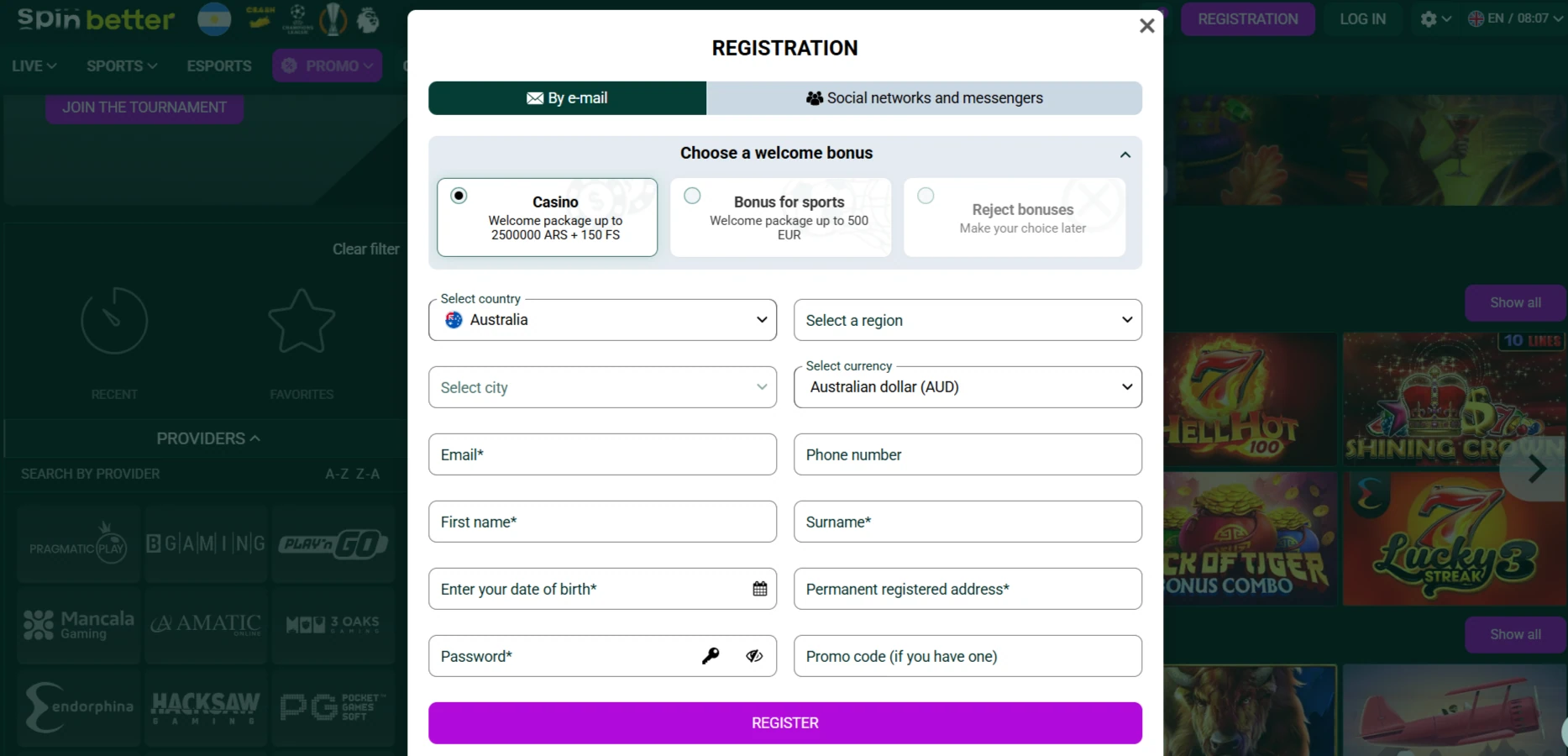
A no-deposit offer can be credited without you funding the account. A welcome promotion, by contrast, may be tied to opening an account and making an initial payment. Some offers displayed as bonuses have been reported as requiring a minimum deposit of A$5 to activate. That figure comes from a specialist review, so treat it as a detail to verify against the current offer—not as a standard across casinos.
That distinction matters when an advert puts a large figure up front. A “$200 welcome bonus” could describe a deposit-based promotion rather than cash handed over for signing up. The word “welcome” tells you when the promotion is aimed at you; it doesn’t establish that no deposit is needed. Nor does a large headline tell you what you can actually claim.
Attention! A “welcome bonus” is not always a no-deposit offer; it may require a minimum deposit, such as A$5, to be activated.
I once skimmed past the small print because the offer looked straightforward. It wasn’t. Before registering, I now look for the exact trigger: does the bonus arrive with account creation, or only after a qualifying deposit? If the wording says “deposit to claim” or links the bonus to a first payment, it is not deposit-free, however it is presented. Don’t let “up to” or a prominent cash figure do the explaining.
The conditions can also start counting down as soon as an offer is activated. A specialist review reports cash bonuses with a seven-day validity period and free spins expiring after 72 hours. Those time limits are not a dependable rule for every promotion; check the offer’s own expiry details before claiming it. A bonus you meant to look at later can disappear while you are still deciding what its conditions mean.
Stake limits are another easy detail to miss. A specialist review describes maximum bets on bonus funds in the A$5 to A$6.50 range, with a breach potentially voiding the bonus. That is a reported range, not a universal limit. The actual cap may differ, so check whether it applies per spin or bet and whether it covers both the bonus and any winnings attached to it. I wouldn’t guess from the amount shown on the offer page.
In practice, I separate the questions. First: is a deposit required to activate this promotion? Then: when does it expire, and what stake limit applies while it is active? If any answer is hidden behind a general welcome label, find the full terms before opting in. A generous-looking welcome offer can still be a deposit promotion with a short clock and a strict betting cap.
That is the part the headline leaves out. A label isn’t the terms.
Which Games Count While You’re Wagering?
When I first looked at wagering rules, I assumed a bet was a bet. It isn’t. The game you choose can determine how much of your play counts towards the requirement, and some games may not count at all.
Pokies are often the straightforward option because they generally contribute 100% of each qualifying wager. That does not mean every pokie is eligible for every offer; the game list attached to the terms still matters. But where the game is included, you can see why pokies are often the practical route: the contribution rate is generally higher than it is for table games.
Blackjack, baccarat and roulette can contribute only 0–10% in many cases. So a bet that looks the same size on your screen may make far less progress towards wagering if you place it on one of those games. I’ve made that mistake: choosing a game I liked, then wondering why the counter barely moved. Wrong game for the job.
There is another catch: a game can be available in the lobby but excluded from a particular bonus. Progressive jackpots, table games and live dealer titles are often excluded from no-deposit offers. Treat the eligible-games list as the rule, not the presence of a game in the casino menu. If a title is excluded, continuing to play it may leave you with wagers that do not count, and the offer’s terms may say what happens to the bonus balance.
Live dealer games, progressive jackpots, and table games are frequently excluded from no-deposit offers or have significantly lower wagering contribution rates.
That distinction matters especially with live dealer games. They can look like an ordinary version of blackjack or roulette, but the live format does not make them eligible. If the terms exclude live dealer titles, switching to one while wagering is not a harmless change of scenery. Check the specific title and category before you play.
Free spins are different from a general cash balance. A specialist review describes free spins as being tied to a particular pokie; that is a claim about the offer it reviewed, not a rule that applies to every casino. The game may be named in the promotion or its terms. If you use spins on that title, any resulting bonus funds can still be subject to the offer’s game restrictions.
The same specialist review says a free-chip bonus may be usable on selected slots. In Australian terms, think selected pokies, not a blank cheque to play anything in the lobby. The selection is what matters. Don’t assume that a game qualifies just because it accepted your bonus balance or appears beside eligible games.
My habit now is simple: find the wagering contribution table and eligible-game list before picking a title. Look for the contribution percentage beside each game type, then confirm whether specific games are excluded. If the terms are unclear, don’t guess based on the game’s name or format. A pokie may contribute fully in general, while a particular promotion can still restrict which pokies count.
It’s unglamorous checking. Still beats finding out after the balance has changed.
PayID: A Deposit Route, Not a Bonus Code
PayID is a way to transfer money, not a code that unlocks a casino promotion. That distinction matters when an offer page puts a deposit method beside a match bonus: the payment route and the bonus conditions are separate things. A PayID transfer does not, by itself, make a deposit-free offer available or qualify you for a deposit match.

In Australia, PayID transfers are described as settling in seconds, using an email address or mobile number instead of entering BSB and account numbers. Australian banks describe these transfers as instant and free. That can make PayID seem like a straightforward way to move funds, but it says nothing about whether a particular gambling service can lawfully offer real-money casino games to people in Australia, or whether a payment will be accepted by an offshore operator.
I used to see a familiar payment logo and assume the whole transaction would be simple. That was a poor shortcut. The payment system, the operator’s cashier, and the promotion’s rules are separate parts of the process. A deposit made through PayID may be treated as an ordinary deposit, while a bonus may have its own eligibility conditions. Don’t treat the appearance of PayID next to a promotion as proof that the two are linked.
Legal Risk
The Interactive Gambling Act 2001 prohibits operators from providing real-money online casino games to people in Australia, and offshore casinos offer no Australian consumer protection.
There’s another detail that can surprise someone claiming no-deposit winnings: an operator may ask for a PayID deposit before allowing a withdrawal, to link a bank account. A specialist review describes this as a possible requirement, not a universal rule. The amount and the circumstances depend on the operator’s stated terms, so check the withdrawal requirements before sending money. A request for a deposit is not the same as a bonus code, and it does not turn a no-deposit offer into a deposit-free cashout.
The direction of travel matters, too. PayID is discussed as a deposit route, but withdrawals from most offshore casinos serving Australians are made by bank transfer instead. So even if money goes in through PayID, don’t assume it will come back through the same channel. Read the cashier’s withdrawal instructions and consider whether the listed method matches what you expected.
And there’s a bigger risk than a slow payment. Australian consumer protections do not apply at offshore casinos, and you may have no recourse if an operator refuses a withdrawal or disputes a win. PayID can describe how a transfer is sent; it cannot guarantee that an offshore operator will pay you.
Keep the categories separate: PayID is a transfer method, a bonus code is a promotion mechanism, and a withdrawal is a separate transaction with its own requirements. The branding can blur them together. The mechanics don’t.
Online Bonus Winnings: The Step Between Balance and Cashout
A number on the screen can look like money you already have. I used to read it that way; the awkward part is that a bonus balance and a withdrawable balance are not the same thing. With a no-deposit offer, winnings generally remain subject to wagering requirements and account verification before a withdrawal can be requested.
The first step is completing the wagering requirement attached to the offer. Bets made while it is active count according to the operator’s rules, and the balance may not become eligible for cashout until the required wagering is finished. Seeing a win appear in your account does not, by itself, mean that requirement has been met.
I’d check the bonus status in the account rather than relying on the headline or the balance display. Look for whether wagering is still in progress and whether the account marks the bonus winnings as eligible for withdrawal. If the wording is unclear, ask the operator to explain the status before placing more bets. Don’t assume that a displayed balance is a promise of a payout.
Verification is another gate. An operator may require you to confirm your identity before processing a withdrawal, even if the offer did not require a deposit. The details requested can vary, so read the account instructions and submit only what is requested through the operator’s stated process. If the account name or other details do not match, that can become a problem when the operator checks the account.
A sensible order is simple: finish the wagering requirement, check that the bonus is marked as complete, complete any requested verification, then review the withdrawal instructions. Keep a record of the offer’s terms and any messages about your account. If a withdrawal is held, ask which requirement is outstanding and request a clear explanation in writing.
Cashout Process
Finish the total betting requirements attached to the offer until the bonus is marked as complete.
Submit the requested identity documents through the operator’s stated process.
Check the withdrawal instructions and the maximum cashout limit before requesting your funds.
There can be another restriction after those steps: most no-deposit offers place a maximum cashout limit on winnings from the bonus. So even after wagering and verification, the amount eligible to leave may not match the full balance shown. That limit belongs to the offer, not to the act of requesting a withdrawal.
An advertised online casino $200 bonus can sound like a straightforward gift, but the route from bonus balance to cashout has conditions in between. Check each stage before treating the displayed amount as yours to withdraw. Balance first. Cashout later.
First-Deposit Offers and Slot Bonuses Aren’t the Same Thing
The wording can make two different things look like one deal. A pokie bonus describes what the promotion is associated with; a first-deposit bonus describes what you have to do to activate it. Those labels answer different questions, and neither one means the offer is deposit-free.
I’ve learned not to stop at a banner saying “pokie bonus”. It may refer to a promotion tied to pokie play, but the small print may say that you must make a deposit before anything is credited. If you came looking for a no-deposit chip, that condition changes the offer completely: you are being asked to put your own money in first.
The same distinction applies when an offer is presented as a first-deposit bonus for a new casino account. “First deposit” is the trigger, not a decorative phrase. If the terms make payment a condition of receiving the bonus, it is not a no-deposit offer, even if the bonus is described as free or is aimed at new customers.
One specialist review describes a listed offer that needed a minimum deposit of 5 AUD for activation. That is an example of how a small payment requirement can sit behind a headline that may sound deposit-free; it should not be taken as a standard condition for every offer. The wording on the actual promotion is what matters.
I’d separate the language into two checks before treating an offer as relevant:
- What is it linked to? A pokie-related bonus tells you something about the intended game category, not whether you need to deposit.
- What activates it? If the condition says you must deposit first, it is a deposit offer, regardless of how the headline describes the bonus.
That is the bit I used to miss. “New player” does not mean “no deposit”, and a pokie label does not tell you whether you can claim anything without paying in. A first-deposit promotion may be aimed at newcomers and still require a payment to start.
Keep those labels separate when comparing offers. If you want a deposit-free deal, look for an explicit statement that no deposit is required, then read the activation condition rather than relying on words like “free”, “welcome” or “pokie bonus”. If a payment is required, you have your answer. It may still be called a bonus, but it is not the kind you searched for.
The distinction is plain once you spot it: one phrase describes the game association; the other tells you when money must go in. The banner can blur them. The condition cannot.
What a “Free” $200 Offer May Leave You Unable to Withdraw
The word “free” sounds like money you can take out. It may mean only that the offer does not ask for a deposit before it is credited. The amount in the headline is not necessarily the amount you can withdraw, and a large advertised figure does not guarantee a large cashout.
Practical withdrawable value is determined by the interaction between the maximum cashout cap (often A$50–A$100) and the minimum withdrawal threshold (often A$25–A$100).
No-deposit bonuses typically have a maximum cashout cap between A$50 and A$100. So even if an offer is advertised as A$200, the cap may restrict how much of any resulting winnings can be withdrawn. I’d treat the headline as a promotion amount, not as a promise of A$200 in cash. The cap is the catch.
Then there is the withdrawal minimum. A specialist review reports minimum withdrawal amounts of A$25 to A$100 at many offshore casinos serving Australians. If your eligible balance falls below the amount that applies to your account, you may not be able to request a withdrawal at all. That can make a smaller balance feel less like a win and more like money stuck behind a door.
Put the two limits side by side before deciding what an offer is worth: the cashout cap sets the most you may take out from bonus winnings, while the withdrawal minimum sets the least you need to have before a request can be made. They are separate conditions. A cap above the minimum does not mean you will reach either figure, and a balance under the minimum may remain unusable even when it is technically yours to request.
I’ve learned not to judge a no-deposit offer by its biggest number. The useful question is what the terms allow you to withdraw, and whether that amount can meet the payment threshold. A “$200 free no-deposit bonus” can look generous in a banner while leaving a much smaller practical opportunity.
Read the cashout limit and minimum withdrawal together, not in separate tabs after you have built up a balance. If the offer’s displayed amount is the only figure you can find, that tells you little about whether you could take anything out. Don’t count the headline as spendable money.

Real-Money Online Casinos and Australian Law
The key distinction is who the law targets. Under the Interactive Gambling Act 2001, providing real-money online casino games to people physically in Australia is illegal. That applies to operators based here and offshore, and covers casino-style games such as pokies, table games and online poker.
That does not mean the law treats an individual player the same way. The Act targets the provider; Australian residents do not face criminal or civil penalties simply for accessing, registering with or playing at an offshore online casino. I used to read “offshore” as a kind of loophole. It isn’t one for the operator.
There’s another practical point: offshore services may be blocked and enforcement is directed at stopping them from serving Australians. A website or promotion appearing online does not make the service lawful, approved or reliably available. Nor does a foreign licence change the Australian rule about offering real-money casino games to people here.
The distinction matters if you’re looking at a real-money offer advertised as a no-deposit bonus. The offer may be framed as a free starting balance, but that does not change the legal status of the service behind it. Don’t mistake a promotion, an account page or a payment option for Australian authorisation.
And while a player is not penalised under the Act merely for playing, that is not the same as having local consumer protections. If an offshore operator refuses a withdrawal or disputes an account, Australian protections and complaint routes may not be available to resolve it. That can leave you with little practical recourse.
So the short version is: the prohibition is on supplying the service to people in Australia, not on the player’s mere act of using it. I’d keep that distinction clear, without treating it as an endorsement or a guarantee of safety. Legal status and financial risk are separate issues.
Is a $10 no-deposit bonus really free at Australian online casinos?
You may receive it without depositing, but it is not necessarily cash you can withdraw straight away. A $10 bonus with 50× wagering requires $500 in bets, and bonus terms may also include cashout caps, game restrictions and expiry periods.
Can I withdraw real money from a $10 no-deposit bonus using PayID?
You may be able to withdraw winnings after meeting the wagering and verification requirements, but most AU-facing offshore casinos use bank transfer for withdrawals rather than PayID. Some operators may require a minimum PayID deposit to link your bank account before allowing a withdrawal.
How do no-deposit bonuses work and how do wagering requirements determine withdrawal eligibility?
A no-deposit bonus may be credited as cash or free spins after you create an account, sometimes automatically and sometimes using a bonus code. You must meet any wagering requirement on eligible games before withdrawing; for example, a $10 bonus with 50× wagering requires $500 in bets.
Is it legal for Australian residents to claim bonuses at offshore PayID casinos?
Australian law prohibits operators from offering real-money online casino games to people in Australia, but it targets the operators rather than consumers. Australian residents face no criminal or civil penalties for accessing, registering with and playing at an offshore online casino.
Do casinos require identity verification before withdrawing no-deposit bonus winnings?
Yes, no-deposit bonus winnings are generally subject to verification as well as wagering requirements before withdrawal. Check the account’s verification instructions and complete the required steps before requesting a payout.
What is a wagering requirement on a no-deposit bonus?
It is the total amount you must bet on eligible games before the bonus winnings can qualify for withdrawal. For example, 40× wagering on a A$10 bonus means A$400 in bets.
Which pokies can I play with a $10 no-deposit bonus in Australia?
Pokies generally contribute 100% toward wagering, but the eligible games depend on the bonus terms. Progressive jackpots are usually excluded, and free spins are usually restricted to a specific pokie.
Created by the ”SpinBetter Casino” editorial team.