






Casinos That Accept PayID in Australia: What to Check
 Available in AU
A listed payment method is not proof of Australian availability, working deposits or withdrawals, or a lawful online casino service.

Table of Contents
- PayID and the limits of what this guide can verify
- What to check before trusting a casino’s PayID claim
- A PayID deposit: what the available evidence does—and doesn’t—say
- Finding Australian casinos that accept PayID without a verified list
- PayID, casino games and the payment-method mix
- How Australian payment habits shape the PayID question
- PayID withdrawals: don’t assume deposits and cash-outs match
- Real-money play and PayID: the Australian legal context
- Paying with PayID: what can be compared responsibly
- PayID bonuses and promotions: no verified offers to rely on
PayID and the limits of what this guide can verify
A search for Australian online casinos that accept PayID sounds like a straightforward request: find a casino, see PayID listed, and know what that means. But those are separate claims. A payment logo or a sentence on a page does not, by itself, establish that an operator is available to people in Australia, that the method works for them, or that the service is lawful here. I’ve learned not to treat a neat label as the whole story.
There is a more important point before payment claims: Australian law draws a firm line around online casino services. The Interactive Gambling Act 2001 makes it illegal for operators to provide real-money online casino games to people who are physically in Australia. That category includes casino-style games such as poker, blackjack, roulette and pokies. The rule concerns the operator’s provision of the service, not whether a particular payment method appears in a cashier.
That distinction matters when a site describes itself as an “Australian online casino.” The phrase may signal that Australians are part of its intended audience, or it may simply be wording used on a page. It does not mean that the operator is Australian, or that it has permission under Australian law to provide real-money casino games here. Payment availability cannot settle that question.
Choosing a casino that accepts PayID means checking the available payment details alongside the operator information. Use these verdicts as a concise reference when considering your options.
License: Curacao Gaming Control Board OGL/2023/176/0095 (Hollycorn N.V.) LuckyVibe is listed with a Curacao Gaming Control Board licence, number OGL/2023/176/0095, held by Hollycorn N.V.
License: Curacao Gaming Control Board OGL/2023/176/0095 (Hollycorn N.V.) Neospin is listed with a Curacao Gaming Control Board licence, number OGL/2023/176/0095, held by Hollycorn N.V.
License: Curacao eGaming OGL/2023/174/0082 (Dama N.V.) · Min. deposit: A$15 LevelUp Casino has a Curacao eGaming licence, number OGL/2023/174/0082, held by Dama N.V. Its minimum deposit is A$15.
License: international iGaming licence – jurisdiction not named in the source · Payout speed: PayID 1-24 hours · Min. deposit: A$30 (PayID from A$10) House of Pokies lists PayID payouts in 1–24 hours and a minimum deposit of A$30, or A$10 when using PayID. Its international iGaming licence is listed without a named jurisdiction.
License: Curacao Gaming Control Board OGL/2023/174/0082 (Dama N.V.) SpinsUp is listed with a Curacao Gaming Control Board licence, number OGL/2023/174/0082, held by Dama N.V.
License: Curacao eGaming (Roby Games Ltd) Roby Casino is listed as licensed by Curacao eGaming, with Roby Games Ltd named as the licensee.
License: Curacao · Min. deposit: A$20 (POLi) Lucky Dreams lists Curacao as its licence jurisdiction and a minimum POLi deposit of A$20.
Payout speed: crypto under 1 hour, PayID 1-3 business days · Min. deposit: A$20 (A$30 to qualify for the bonus) Ricky Casino lists PayID payouts in 1–3 business days and crypto payouts in under an hour. The minimum deposit is A$20, or A$30 to qualify for the bonus.
License: Curacao Gaming Authority (Jumpman Gaming Ltd) DragonSlots Casino is listed with a Curacao Gaming Authority licence, with Jumpman Gaming Ltd named in the licence details.
Payout speed: crypto 30-120 minutes, fiat 24-72 hours · Min. deposit: A$30 MrPacho lists crypto payouts in 30–120 minutes and fiat payouts in 24–72 hours. Its minimum deposit is A$30.
The regulator responsible for administering and enforcing the Act is the Australian Communications and Media Authority, commonly known as ACMA. The law is directed at operators providing prohibited services to people in Australia. It does not explicitly make an individual player’s use of an offshore site a criminal offence. That is not the same as an endorsement, a guarantee of access, or a statement that playing carries no practical risks.
There is another consequence worth keeping in view: Australian consumer law does not protect people who use offshore casinos. If a dispute arises over an account, a payment or an advertised feature, a player should not assume that the protections available in an ordinary Australian consumer transaction will apply. That gap is easy to miss when a site uses familiar language, displays Australian currency or lists a payment option that people recognise.
I’m careful with the word “best,” too. It can make a page sound like it has compared safe, available choices and picked a winner. But a comparison of PayID claims is not the same thing as a finding that an operator can lawfully offer casino games to Australians. Nor does a payment label answer whether the service is within the Australian legal framework. Those questions should not be bundled together and passed off as one recommendation.

A claim about a payment method is narrow; it cannot stand in for a legal assessment, and it should not be read as one.
I know how tempting it is to focus on the practical detail and leave the legal wording for later. I’ve done that kind of thing myself: the convenient-looking option gets all the attention, while the conditions around it fade into the background. Here, the order matters. The Australian legal position is not a minor footnote to a payment question. It changes how a claim about an “Australian” casino should be understood in the first place.
That does not mean every page using Australian language is making the same claim, or that a payment logo tells you exactly what happens when you try to use it. It means those details need to be read without turning them into evidence of local approval. A method being mentioned on a site cannot change the rule that applies to operators providing online casino games to people physically in Australia.
So the useful starting point is modest: separate a PayID claim from the status of the casino service itself. The law places responsibility on operators, ACMA handles enforcement, and players using offshore casinos do not receive Australian consumer-law protection. None of those points confirms that a particular site accepts PayID, and none turns a payment claim into a recommendation. Keep the distinctions clear. That’s the part worth remembering.
Legal Risk
Under the Interactive Gambling Act 2001, it is illegal for operators to provide real-money online casino games to people physically in Australia.
What to check before trusting a casino’s PayID claim
A PayID logo or a bold line saying “PayID accepted” is a claim, not proof that the option will work for you. I’ve learned to pause when a payment label is doing more work than the explanation beside it. The useful question is not whether a site mentions PayID, but whether the claim is clear, current and backed by information you can check.
Start with where the statement appears. A payment method shown in an operator’s own terms or cashier information is more meaningful than a badge in a banner, a search snippet or an affiliate review. Even then, the page should make clear that the information applies to Australian customers and is current. A page can look polished and still be stale. If the claim appears only in promotional copy, treat it as unconfirmed.
Then look for consistency. The same payment method should be described in a way that makes sense across the site: on the payment information page, in the terms, and wherever deposits are discussed. If one page says PayID is supported and another leaves it out, or if the wording quietly changes from “accepted” to “may be available,” that gap matters. Don’t fill it with optimism. Ask for a clear answer through the operator’s official support channel, and keep a record of what they say.

Be precise about what the claim covers. “PayID available” does not, by itself, establish that it can be used by Australian customers, that it is available to every account, or that the operator accepts it for every transaction type. Nor does a mention of bank-linked payments prove PayID support; those are not interchangeable labels. A credible statement should identify the method plainly rather than relying on a row of logos or broad wording such as “instant banking.”
Check the source date and the wording around it. A review or comparison page may describe a payment option that has since changed, or may not distinguish between an operator’s own information and an editor’s claim. I don’t treat a page as reliable merely because it names several payment methods. If it gives no date, links to no operator terms and makes a sweeping promise, it hasn’t given you much to verify.
Pay attention to what is not being promised. A PayID claim does not establish the cost, processing time, transaction limit or availability of withdrawals. Those are separate terms, and they should not be inferred from a logo or from another customer’s experience. “Fast” is especially slippery: without a specific, applicable policy, it is advertising language rather than a usable commitment. Look for the relevant terms before making any decision, not after a payment problem appears.
Account checks are another separate issue. Online casinos commonly ask customers to complete identity and customer checks before they carry out financial transactions. That requirement does not confirm that PayID is supported, and a payment claim does not mean those checks can be skipped. If an operator’s wording implies otherwise, I’d treat that as a reason to slow down, not a perk.
- Check payment claims in the operator’s own terms or cashier
- Verify consistency across all site pages
- Ask for clarification via official support channels
- Trace claims to current terms for Australian customers
- Trust a payment logo in a banner or search snippet
- Fill information gaps with optimism
- Assume “instant banking” means PayID support
- Rely on an editor’s claim without a source date
There is also a bigger risk that a payment page cannot solve. Australian consumer law does not protect people who use offshore casinos. A tidy cashier, a familiar payment name or a confident support reply does not change that. I’m not suggesting that a polished site is safe simply because its pages agree with each other.
My own rule is simple: separate what the operator explicitly says from what a review, badge or sales line implies. If the claim cannot be traced to clear, current terms for Australian customers, don’t treat it as established. And if the answer stays vague after you ask for clarification, that vagueness is the answer. No guesswork.
A PayID deposit: what the available evidence does—and doesn’t—say
A request to deposit by PayID sounds straightforward: choose it at the cashier, follow the instructions and expect the money to appear.
That matters because the label “PayID” can make a payment option sound more certain than it is. Seeing the word in a page title, banner or search result does not tell you what happens at the point of payment. It does not establish whether PayID is available for deposits, what details a customer would need to enter, or whether a transfer would be credited promptly. A polished claim is still just a claim until the transaction conditions are clear.
I’ve learned not to treat a familiar payment name as a promise. A cashier can show one set of options before you sign in and another after you open an account. Even if a method is mentioned elsewhere, that alone does not tell you whether you can select it for a particular deposit. And if the instructions lead away from the cashier to a separate transfer, you should not assume that the receiving details or payment reference are interchangeable with anything you have used before.

There is a useful distinction between knowing how PayID works in everyday life and knowing whether a particular gambling service accepts it. Those are different things. Australians are comfortable moving between cards, mobile wallets and bank-linked services such as PayPal. That familiarity can make a bank-linked payment feel intuitive. It doesn’t prove that PayID is available in a casino cashier, or that a deposit will be handled in a particular way.
The same caution applies to costs and timing. Without clear terms for the specific transaction, I wouldn’t assume a deposit is free, instant or even processed through the route the name suggests. A payment might have conditions that are not obvious from a general mention of PayID. Don’t send money based on an assumed fee, an expected arrival time or instructions copied from another service.
If you encounter a PayID deposit claim, look for the actual payment terms before taking any action. The cashier should make clear which methods are currently offered and what instructions apply to the one you select. Read any displayed fee or timing information carefully, and check that the payment details match what the cashier presents. If the details are unclear or change unexpectedly, stop rather than guessing. That’s less exciting than a one-click promise. It’s also how you avoid turning uncertainty into a payment problem.
I’m not suggesting there is one universal PayID deposit route that every operator follows. The point is narrower: a familiar payment service and an advertised payment claim are not enough to establish the steps for a casino deposit. You need explicit terms for the transaction in front of you, not assumptions borrowed from a bank transfer, another cashier or a general description of PayID.
So, when you see a claim about paying by PayID, separate three questions: is the method actually selectable for a deposit, what instructions and conditions apply, and what will the transaction cost and how long might it take? If those answers are not plainly set out, you do not have enough to make an informed payment decision. Don’t fill in the blanks yourself.

Finding Australian casinos that accept PayID without a verified list
A list of names can look reassuring, but it is only useful if each PayID claim is tied to an operator and can be substantiated. A page that puts “PayID” beside a casino name does not, by itself, establish that the operator accepts it. Nor does a list become reliable just because several pages repeat the same claim. I’ve learned to treat a confident heading as a starting point, not proof.
That matters when you’re trying to identify Australian casinos that accept PayID. The honest answer is not to fill a page with names that cannot be supported. No operator should be presented as confirmed on the strength of an unverified claim, and I won’t turn uncertainty into a recommendation. There is no useful “best” option to name without reliable evidence that the basic payment claim is true.
The question of whether a particular operator accepts PayID is separate from the question of what a PayID payment involves. Knowing how a payment service works in general cannot establish that a specific business offers it. Likewise, a payment method appearing in general discussions of Australian banking does not confirm that it is available at a particular casino. Those are different claims, and blending them makes a list seem stronger than it is.
The words used around a payment option can also blur that distinction. “Available” might refer to a method someone has heard about, a feature shown in an old description, or a current option presented by the operator. Unless the claim is clearly connected to the relevant operator and current service, the wording leaves too much room for guesswork. A label is not confirmation.
There’s a larger issue behind the search for casino sites using PayID in Australia. The Interactive Gambling Act 2001 prohibits operators from providing real-money online casino services to people in Australia, including online poker, table games and pokies. The Australian Communications and Media Authority enforces that law. The legal position is about operators offering those services; it does not mean players using offshore sites are explicitly criminalised. But Australian consumer law does not protect players who use offshore casinos. That is a serious difference, not small print.
Attention: Australian consumer law does not protect people who use offshore casinos, leaving you with fewer avenues for help if a dispute arises.
So an apparent list should not be mistaken for an endorsement or a safeguard. A payment claim says nothing by itself about consumer protection, and a familiar payment name does not change the legal context. I’ve been caught by the comforting look of a polished page before. It proves less than it suggests.
For a reader trying to narrow down options, restraint is more useful than a made-up shortlist. If a casino is described as taking PayID, the description needs evidence tied to that operator; otherwise the claim should remain unconfirmed. That boundary is deliberate. A list without a sound basis would give you names, but not dependable information. No false certainty.
PayID, casino games and the payment-method mix
A payment method and a game are different parts of the experience. PayID, if offered, would be a way to move money through a cashier; it would not by itself tell you which games are available or whether a particular title can be played. I can’t responsibly connect PayID with any specific game here. The distinction matters: a page can talk about payment options without establishing anything about games.
That also means searches for games associated with PayID can lead to a false sense of certainty. A heading or banner might put the two together, but that wording alone does not show that PayID is accepted, or that a payment method is tied to a particular game. I’ve learned to separate those claims rather than letting one suggest the other. A payment label is not proof of game access.
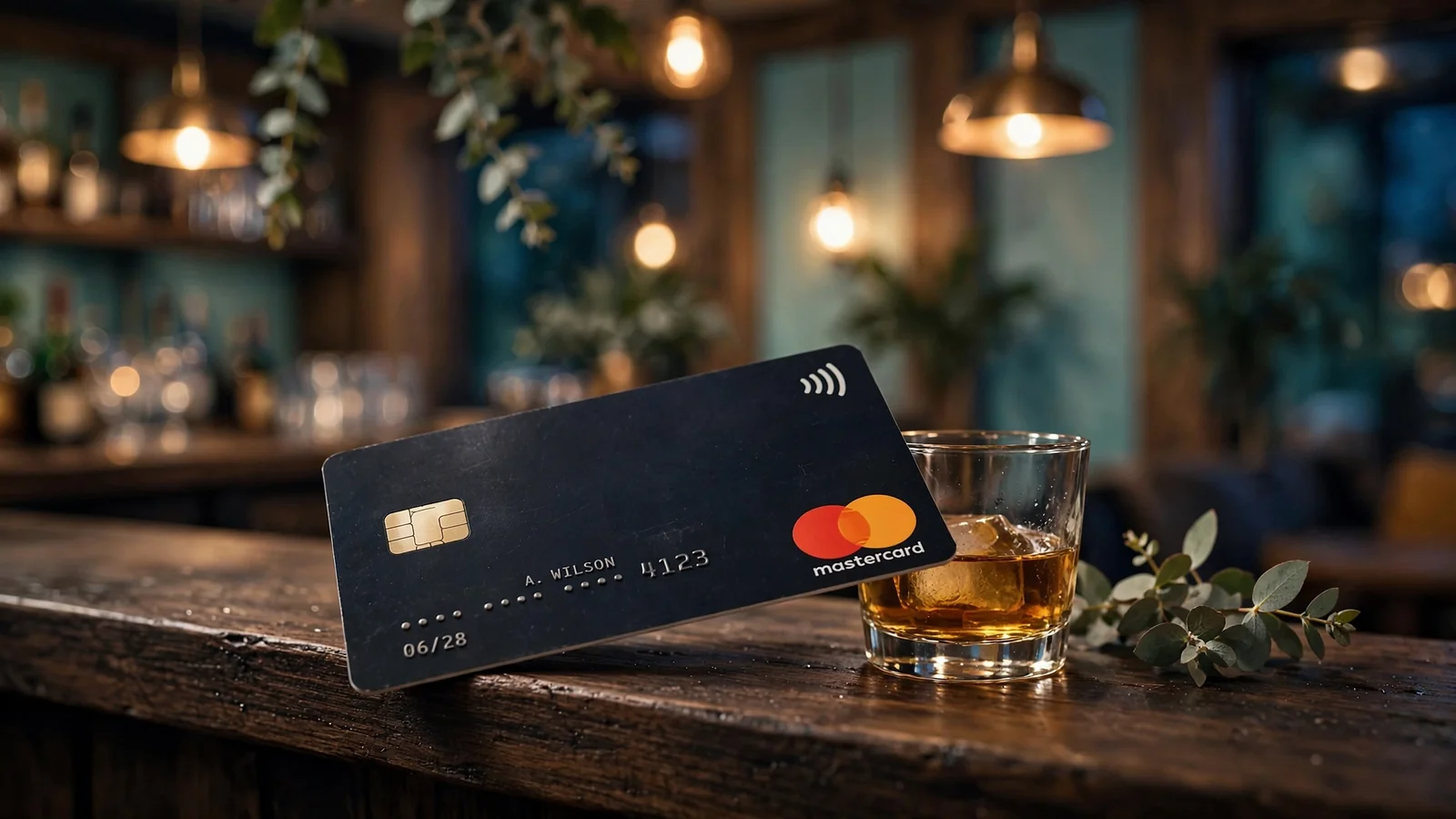
If you are looking at payment choices, keep the comparison at that level. A specialist review has reported that Visa may be accepted more broadly at Australian online casinos than American Express. That is a limited observation from that type of source, not a guarantee about any particular cashier, and it says nothing about PayID. Card acceptance cannot be used as a shortcut for confirming another payment option.
The useful question is therefore not which game “uses” PayID, but whether a payment method is actually shown and described by the service. Even then, a displayed logo or a broad claim about payment options does not establish that it works for every customer or transaction. Don’t read a game-page label as a payment confirmation.
I would also keep separate any claim about a game’s availability from a claim about how money can be moved. The first concerns the service; the second concerns its payment arrangements. Mixing them makes vague marketing sound more specific than it is. That’s the trap.
So, when you see PayID mentioned alongside casino games, treat the wording as two claims until each is clear: one about the payment method, another about what is offered. Nothing in the payment-method comparison identifies particular games connected to PayID. Nor does a comparison between card brands establish that PayID is supported.
The cleanest way to read the subject is at the cashier level, not the game-title level. Visa and Amex are card options; PayID is a separate payment method. One source’s comparison of card acceptance does not confirm PayID availability, and it cannot tell you which games are linked to it. Keep those categories apart. A neat label proves little.
How Australian payment habits shape the PayID question
Australians are used to moving between payment types. Contactless credit and debit cards are accepted almost everywhere in the country, and mobile wallets such as Google Pay and Apple Pay are similarly widespread. Many people are also comfortable using services linked to their bank, including PayPal. That mix helps explain why a bank-linked option like PayID attracts attention: it sounds like it belongs alongside familiar ways of paying, rather than requiring a completely new routine.

I understand the appeal of keeping payment choices flexible. One day you might tap a card, another day use a phone, and elsewhere choose a service connected to your bank. The method can matter as much as the purchase: some people prefer not to reach for a card, while others simply want an option they already recognise. None of that, though, tells you whether a particular online service accepts PayID. Familiarity with payment services is not the same thing as acceptance by an individual business.
That distinction gets blurred in casino-related claims. A payment method can be common in everyday Australian life and still be unavailable on a particular site. Likewise, seeing cards and mobile wallets widely used does not establish that PayID is offered, or that it works in the same way as those alternatives. The habit is real; the leap from habit to casino support is the bit I would resist.
There is also a difference between recognising a payment name and knowing what using it would involve. A familiar label may feel reassuring, but it does not by itself tell you what account is involved, whether the service is supported, or what conditions apply. I’ve learned not to treat “easy” as a useful description until the details are clear. Nice word. Thin evidence.
So the broader Australian preference for switching among cards, wallets and bank-linked services gives context to interest in PayID, but it cannot answer the casino-specific question. It explains why someone might look for that option; it does not confirm that an Australian-facing casino provides it. Keep those ideas separate, and ordinary payment habits won’t be mistaken for proof of acceptance.
PayID withdrawals: don’t assume deposits and cash-outs match
A payment method shown for deposits does not automatically work for withdrawals. PayID cash-outs are a separate capability: an online casino could list PayID for money going in without offering it for money coming out. The same goes for timing. The name of a payment method alone tells you neither when a withdrawal would arrive nor whether it is available at all.
A payment method listed for deposits does not automatically work for withdrawals; these are separate capabilities with different conditions.
Before treating PayID as a withdrawal option, look for explicit wording in the cashier and the withdrawal terms. Check whether PayID is named for cash-outs, whether the account must first be verified, and whether the terms set conditions for using the same method to withdraw. If the wording only describes deposits, don’t read more into it. Ask for a clear answer before sending money; vague replies are not a promise.
There is a separate step that can affect financial transactions. Online casinos typically require customers to complete a Know Your Customer assessment before handling them. That means identity checks may be required before a withdrawal can proceed. A payment option appearing in an account does not remove that requirement, and completing verification does not by itself establish that PayID withdrawals are supported.
I have learned not to treat “instant” as a useful description unless the operator explains what it means for the specific withdrawal method and account. A deposit and a cash-out travel in opposite directions, and their conditions can differ. Don’t assume a quick deposit predicts a quick payout.
For Australians, there is another important consideration: Australian consumer law does not protect players who use offshore casinos. That leaves you with less recourse if a payment dispute arises. Keep the distinction clear: a casino’s claim about PayID deposits is not evidence of PayID withdrawals, and a withdrawal claim is not evidence of a particular arrival time. Verify the cash-out terms before relying on them.
Real-money play and PayID: the Australian legal context
PayID can make a search for real-money casino play sound like a question about banking. It is not only that. The payment method does not change the legal status of the service being paid for.
Under the Interactive Gambling Act 2001, operators must not provide real-money online casino games to people physically in Australia. That covers casino-style games such as poker, blackjack, roulette and pokies. The Australian Communications and Media Authority enforces the Act. In practical terms, a PayID option would not make an otherwise prohibited online casino service lawful to offer here.
The law draws a distinction between the operator and the player. It does not explicitly make it a crime for an individual in Australia to use an offshore casino. That distinction is not an endorsement or a guarantee of safety. Australian consumer law does not protect players who use offshore casinos, so you may have fewer avenues for help if a dispute arises. I would not treat “available” as meaning “protected”.
This matters when a site describes itself as a real-money casino for Australians, or presents a payment route as proof that it serves the local market. A bank-linked payment option, a local-facing page or an invitation to play does not override the restriction on operators offering these games to people here. The payment label is not a legal clearance.
Nor should a promotion tied to PayID be read as evidence that the underlying service is permitted. For anyone considering real-money play, the key distinction is not whether a deposit method is familiar; it is whether the operator is offering a prohibited service to people physically in Australia. That is the part an appealing payment message can leave out.
I have learned not to let a tidy cashier screen do the thinking for me. The legal context comes first. PayID does not change it.
Paying with PayID: what can be compared responsibly
A payment method is only comparable when you know what the comparison is measuring. For PayID, separate the question of whether a service accepts it from questions about charges, processing and withdrawal support. A simple “PayID available” label does not answer all of those.
I’ve learned not to treat one appealing feature as a full picture. A payment option could be accepted for one kind of transaction but not another; a displayed cost may also depend on the service’s terms. Without clear, specific information, ranking PayID against cards or bank-linked services would be guesswork, not a useful comparison.
That distinction matters because Australians are comfortable moving between cards, mobile wallets and bank-linked services such as PayPal. Familiarity with those options says something about everyday payment habits. It does not establish that a particular casino accepts PayID, or tell you what using it would involve.
If you are comparing payment information, look at the same categories for each option: whether it is offered, what charges are stated, when the payment is treated as complete, and whether the terms cover withdrawals as well as deposits. Don’t assume that one method’s conditions apply to another. And don’t confuse a general claim about a payment service with a confirmed casino-specific arrangement.
There is a bigger issue than convenience. Australian consumer law does not protect players who use offshore casinos, so payment comparisons should not make those services seem safer or officially endorsed. A familiar bank-linked method does not change that.
I’d keep the comparison modest: assess only details that are stated clearly, and avoid treating a payment label as proof of the full transaction. No neat ranking. Just the terms in front of you.
PayID bonuses and promotions: no verified offers to rely on
A bonus described as “PayID-only” sounds like a clear deal: use one payment method and receive an offer. But the label itself tells you very little. It does not establish that an offer is real, that PayID is accepted, or that the promotion is available to Australian residents.
I’ve learned not to treat a banner as a promise. “Exclusive” can mean there are conditions tucked into the promotion rules, and a payment method mentioned beside an offer may simply be part of the sales pitch. Keep the claims separate: a bonus promotion is one thing; whether a casino accepts PayID is another.
The same goes for a supposed no-deposit bonus. The name suggests you can claim something without paying in, but it says nothing by itself about eligibility, withdrawal conditions, or whether the offer applies to you. Those details would need to be stated in the actual terms. Don’t infer them from a headline or from the words “PayID bonus.”
There’s also a bigger point for anyone in Australia: the Interactive Gambling Act 2001 prohibits operators from offering real-money online casino games to people physically in the country. Australian consumer law does not protect players using offshore casinos. A promotion should not distract you from that risk.
So if you come across a casino promotion tied to PayID, read it as an unverified marketing claim until its terms and availability are clear. Don’t assume an advertised bonus proves payment support, or that payment support makes the offer suitable or lawful for you. The wording is easy. The fine print is where the decision sits.
What are the deposit and withdrawal limits at the best Amex casinos?
Amex limits are set by each casino and can vary, although they are usually higher than limits for Mastercard or Visa. Check the casino’s cashier or payment terms for its current limits.
How do you check if casino sites accept Amex deposits?
Check the casino’s cashier and payment information, and confirm that its terms say Amex deposits are available to Australian customers. If the details are unclear or inconsistent, ask the operator through its official support channel.
Can I withdraw winnings directly to my American Express card?
Some casinos do not allow withdrawals to Amex, and you generally need to have deposited with Amex first. Where withdrawals are supported, they can take up to five days to clear.
Are there any fees for depositing with American Express?
Amex deposits typically have no fee, but a casino may add a 1.5% surcharge, and a 3% currency conversion fee may apply. Withdrawal fees may also apply.
Which online casinos accept American Express for deposits?
Jackpot City Casino, Spin Palace and Ruby Fortune are listed among Australian gambling sites accepting Amex. Ignition Casino, Joe Fortune and PlayAmo also support Amex deposits for Australian players.
Are casino Amex payments instant?
Yes, Amex casino deposits are processed instantly. Withdrawals can take up to five days to clear.
Created by the ”SpinBetter Casino” editorial team.