
Tasmania Casino Guide: Hotels, Games and Visit Details
 Available in AU
A practical guide to checking accommodation, play options and venue facilities before making plans around a casino visit in Tasmania.
Table of Contents
- Where to Stay for a Casino Visit
- Poker Rooms, Tournaments and Other On-Site Play
- Parking, Venue Games and the Limits of Online Play
- Finding Accommodation Near the Casino
- Getting in Touch and Checking Venue Details
- Breakfast, Buffet Searches and Casino Jobs
- Opening Hours, Events and Development Questions
- Restaurant Searches and What to Verify Before You Go
- Spa, Address and Dress-Code Searches
- Food and Pool Queries: Confirm the Facilities First
Where to Stay for a Casino Visit
If you’re planning an overnight casino visit in Tasmania, the first thing to establish is whether the venue currently operates a hotel as part of the casino, rather than assuming the two are linked. A casino’s presence in a city does not, by itself, confirm that it has guest rooms on site. I’d want that detail confirmed directly before building a trip around the idea of staying there.
When a casino hotel is available, the useful comparison is not just the room rate. Check what the booking actually includes, whether the room is in the casino’s own building or a separately operated property, and what terms apply if your plans change. “Casino hotel deal” can sound like a tidy package; in practice, the important part is what is included and what is not.
What to check before booking
Start with the property’s current room information. Look for the room type, occupancy details, bed configuration, accessibility information and the facilities listed for that particular room. A photograph can set expectations, but it may not show the room you are booking. If a detail matters to your stay, ask the venue to confirm it rather than reading certainty into a broad description.
Choosing an online casino while in Tasmania means checking the details that matter to you before you sign up. Use this 2026 list as a reference point, and review each operator’s terms and local requirements before playing.
License: Curacao Gaming Control Board OGL/2023/176/0095 (Hollycorn N.V.) You can note that LuckyVibe lists a Curaçao Gaming Control Board licence, OGL/2023/176/0095, held by Hollycorn N.V.
License: Curacao Gaming Control Board OGL/2023/176/0095 (Hollycorn N.V.) Neospin lists a Curaçao Gaming Control Board licence, OGL/2023/176/0095, held by Hollycorn N.V.
License: Curacao eGaming OGL/2023/174/0082 (Dama N.V.) · Min. deposit: A$15 You can consider LevelUp Casino with its listed Curaçao eGaming licence, OGL/2023/174/0082, held by Dama N.V. Its minimum deposit is A$15.
License: international iGaming licence – jurisdiction not named in the source · Payout speed: PayID 1-24 hours · Min. deposit: A$30 (PayID from A$10) House of Pokies lists an international iGaming licence, though the jurisdiction is not named. You can use PayID for payouts stated as 1–24 hours; the minimum deposit is A$30, or A$10 with PayID.
License: Curacao Gaming Control Board OGL/2023/174/0082 (Dama N.V.) SpinsUp lists a Curaçao Gaming Control Board licence, OGL/2023/174/0082, held by Dama N.V.
License: Curacao eGaming (Roby Games Ltd) Roby Casino lists a Curaçao eGaming licence held by Roby Games Ltd.
License: Curacao · Min. deposit: A$20 (POLi) Lucky Dreams lists a Curaçao licence. If you deposit with POLi, the stated minimum is A$20.
Payout speed: crypto under 1 hour, PayID 1-3 business days · Min. deposit: A$20 (A$30 to qualify for the bonus) Ricky Casino states that crypto payouts take under an hour and PayID payouts take 1–3 business days. The minimum deposit is A$20, or A$30 to qualify for the bonus.
License: Curacao Gaming Authority (Jumpman Gaming Ltd) DragonSlots Casino lists a Curaçao Gaming Authority licence held by Jumpman Gaming Ltd.
Payout speed: crypto 30-120 minutes, fiat 24-72 hours · Min. deposit: A$30 MrPacho states crypto payout times of 30–120 minutes and fiat payout times of 24–72 hours. Its minimum deposit is A$30.
Then check the booking conditions. Confirm the total price shown at checkout, any additional charges, the payment and cancellation terms, and whether the reservation is made with the casino or another provider. These details can change, so an old offer or a page saved from a previous visit is not a reliable basis for a current booking.
I would also confirm the practical link between the room and the casino. Is the accommodation genuinely on the same site? Is access between the room and venue described by the operator? Avoid assuming that a property is attached simply because its name, advertising or booking page mentions the casino. Small wording differences matter when you are planning where to sleep after an evening out.
A final check is whether the room is available for your dates and whether the property’s own information matches the booking page. If the details conflict, contact the venue before paying. That is less exciting than clicking “book,” but it can prevent a frustrating surprise.
Don’t let the room decide the whole trip
A hotel attached to a casino may be convenient if your main plan is to visit that venue, but convenience is personal. Think about how you will arrive, how much time you want to spend at the casino and whether staying on site suits the trip. A room should be a practical choice, not a reason to spend more time or money gambling than you intended.
I’ve learned not to treat a bundled offer as automatically better value. “Exclusive” is a sales word, not a calculation. Compare the actual room terms and inclusions with what you would choose separately, then decide whether the package suits you. If the venue does not clearly confirm an on-site hotel, do not interpret that as proof that one exists; get a direct answer before making plans around it.
The same goes for operating information. Room availability and casino access are separate details, and neither should be inferred from a hotel listing. Check the venue’s current information for the specific dates you have in mind, especially if your trip depends on arriving late or leaving early. A room reservation does not, on its own, confirm when the casino is open.
For a stay centred on the casino itself, the safest approach is simple: verify that the hotel is genuinely part of the venue, read the room and booking terms, and confirm any detail that would change your plans. If you cannot get a clear answer, pause before booking. Better to check first.
Poker Rooms, Tournaments and Other On-Site Play
A search for poker at a Tasmanian casino can mean a few different things: a dedicated room with cash games, a scheduled tournament, or simply a place where poker is part of the venue’s gaming offer. Those aren’t interchangeable. Before planning around any of them, confirm directly with the venue whether poker is currently available, what format it takes and whether a particular event is actually scheduled.
Attention: Do not rely on old event listings or general descriptions as proof that a poker room is operating today, as calendars and rooms can change.
I wouldn’t treat an old event listing or a general casino description as proof that a poker room is operating today. Rooms and tournament calendars can change, and a page that mentions poker may not tell you whether play is running on the day you want to visit. Ask about the current schedule, registration arrangements, eligible formats and any conditions for joining. If the answer is unclear, get the details confirmed before travelling. Saves a wasted trip.
For tournaments, check the event date and start time with the venue, then ask whether registration is open and what happens if the schedule changes. A tournament announcement is useful only if it is current and applies to the venue you intend to visit. If you’re travelling from elsewhere in Tasmania, I’d also confirm that the event is still going ahead rather than relying on a listing that may have been posted earlier.
A “poker room” can also suggest a private or dedicated space, but the phrase alone doesn’t establish that one exists. Ask whether games are hosted in a separate room or in another part of the venue, and whether access depends on an event or session being under way. That helps avoid assuming that a room is open for casual play just because the venue itself is operating.
Poker and Electronic Gaming Machines (EGMs) are different forms of on-site play, so don’t assume information about one explains the other. If you plan to use EGMs, venues should check identification for that gambling activity; don’t try to bypass an ID check, as non-compliance can have legal consequences. Keep your own limit in mind as well. I’ve learned that the urge to increase a bet after a loss is a bad reason to keep playing. Don’t chase losses; set a session budget you can afford before you start, and stop when it’s gone.
Some people looking for a poker room also want to know whether there’s a sports bar where they can watch a game before or after playing. That’s a separate venue question, not something a poker listing confirms. Check directly whether a sports bar is operating and whether it will show the match you have in mind. Don’t assume that a casino’s gaming offer tells you what’s on elsewhere in the building.
The same applies to searches asking whether the casino is open now or today. A poker event’s schedule and the venue’s general opening status are separate details, and neither confirms the other. Check the venue’s current information before setting off, especially if your plan depends on a specific game, tournament or bar being available. For me, a quick confirmation beats arriving with the wrong expectation.
Parking, Venue Games and the Limits of Online Play
If you’re planning a casino visit in Tasmania, parking is one of those details worth sorting out before you set off. I wouldn’t assume that a venue has free parking, valet service or spaces available when you arrive. Check the casino’s current visitor information directly, and confirm any access arrangements that matter to you. A map pin tells you where the building is; it doesn’t tell you what parking will be like.
The same goes for bingo. A search for bingo at a Tasmanian casino doesn’t confirm that it is currently offered, when it might run or whether you need to book. Treat it as a question for the venue, not as a promise attached to the word “casino”. If you’re making a special trip, get confirmation before travelling rather than building your plans around an assumption.
Legal Restriction
Under the Interactive Gambling Act 2001, Australian-based operators cannot provide real-money online casino games to people in Australia.
Dining is another separate detail to verify. Casino gaming and food are not the same offering, and a venue’s dining options can change. Check what is open on the day you plan to visit, especially if eating there is part of the reason you’re going. No guesswork.
There’s also a clear difference between visiting a physical casino and playing casino games online from Tasmania. Under the Interactive Gambling Act 2001, operators based in Australia cannot provide real-money online casino games such as pokies, blackjack and roulette to people in Australia. That is not a technicality to brush aside: the restriction applies to the operator providing the service.
Offshore platforms sit in a different position, but that does not make them a safe or locally regulated alternative. They are not regulated under Australian law, and online casino services for Australians can be blocked. I wouldn’t read “available on a website” as “approved here” or assume that there is local oversight if something goes wrong. I’m not recommending offshore play.
You may come across advice about using a VPN to get around a location block. Don’t treat that as a workaround. A VPN can make a connection appear to come from somewhere else, but using one to access region-blocked pokies sites is against the site’s terms and may lead to account suspension. It can also leave you dealing with access or account problems without the protections you might expect from a locally regulated service. Not worth the gamble.
For an in-person visit, venues must check identification for poker machine gambling. Don’t try to bypass that check; failing to comply can have legal consequences. And if you do choose to gamble at a venue, decide what you can afford to spend before you start. Set a session budget, don’t chase losses and don’t raise your bets to try to win back money. I’ve learned that the hard way. Losses don’t become easier to recover just because you want them back.
So, confirm parking, bingo and dining with the venue, and keep the distinction between on-site play and online casino services in mind. A local visit is one thing. An online offer aimed at Australians is another.
Finding Accommodation Near the Casino
If you are looking for accommodation near a casino in Tasmania, start by pinning down the exact venue and its address before comparing places to stay. “Near” can mean a short walk to one person and a drive to another, and a listing’s map pin does not tell you whether the route feels practical at the time you plan to arrive or leave. I’ve learned not to book from a headline alone. Check the full address, map the route yourself, and make sure the property is close to the venue you actually intend to visit.
For nearby accommodation, compare the things that affect your stay rather than relying on a casino-themed label. Look at the room type, cancellation conditions, check-in arrangements, total price and any extra charges shown before you confirm. If you expect to come back late, check how entry works after hours and whether you need to contact the property in advance. Those details can matter more than a polished photo.
- Check the full address and map the route yourself
- Compare room types and cancellation conditions
- Verify after-hours entry arrangements
- Book based on a headline or “casino stay” label
- Rely on a map pin to determine practical distance
- Assume nearby venue parking extends to your stay
Treat deals as offers to verify
A search for casino accommodation deals or promotions can mix together different things: a room discount, a package, or an offer connected with gambling. Don’t assume that a mention of the casino means the accommodation is included, or that a price shown in a search result is still available. Open the actual booking or property page and read what the offer covers, when it applies and what happens if you change your plans.
I’d also keep the room decision separate from the gaming decision. A package can make a stay look like a bargain while making the conditions harder to compare. Work out what you would pay for the room on its own, then compare the stated package price and inclusions. If those terms are unclear, ask the property directly before paying. “Exclusive” can just mean a bundle with conditions.
Before booking, check whether the property suits your transport plan. If you are driving, look up the accommodation’s own parking information and any access conditions; don’t assume that a nearby venue’s parking arrangements extend to your stay. If you are not driving, confirm the route and transport options using current information rather than relying on a rough distance estimate. This is especially useful when you have luggage or a fixed arrival time.
Make the booking fit your visit
Once you have a shortlist, compare the cancellation policy and arrival instructions side by side. Save the confirmation and the property’s contact details so you can resolve a check-in question without scrambling later. If the room is being booked through a third-party service, check which party handles changes or cancellations; a booking page and the property may direct you to different channels.
I would not choose a place just because its listing uses the words “casino stay.” That phrase does not establish that the property is attached to the venue, endorsed by it or offering a current promotion. Read the address and inclusions carefully, then confirm anything that could change your plans directly with the accommodation provider. A little checking beats a surprise at the door.
Getting in Touch and Checking Venue Details
When I’m trying to pin down a casino detail, I don’t trust an old directory listing just because it has a phone number beside it. Venue information can change, and a search result may not tell you when it was last checked. For a visit in Tasmania, start with the official venue website and use its current contact page or published phone number. If you call, ask about the specific thing you need rather than relying on a broad “what’s available?” answer.
That matters for questions about a bar, baccarat, craps, a car park or a concert. A page mentioning one of these does not necessarily confirm it is available at the venue you plan to visit, or on the date you have in mind. Ask the venue directly whether the relevant facility or activity is currently offered, whether it is open to visitors, and whether any conditions apply. Get the answer for your intended visit, not just a general description.
Ask a precise question
I’ve found that vague questions invite vague answers. If you want to know about a bar, ask whether it is open to the public and whether access depends on a booking or event. For baccarat or craps, ask whether the game is currently offered and what you need to know before arriving. I’m not treating a general casino page or an old photograph as proof. It’s a small distinction, but it saves a wasted trip.
When contacting a venue, ask precise questions about specific facilities (like bars or table games) to avoid vague answers and wasted trips.
For concerts, look for the venue’s own current event information, then confirm details through its official contact channel if anything is unclear. An event listing can tell you what is advertised; it may not answer practical questions about entry, access or whether the casino area is operating separately. Keep those questions tied to your plans.
Car-park information is worth checking in the same way. Confirm the location, access arrangements and any visitor conditions with the venue, rather than assuming a map pin tells the whole story. A map can help you orient yourself, but it cannot confirm that a particular entrance or parking option is available when you arrive. If you need an accessible route, ask about that specifically.
Use the map as a starting point
A map search can surface several places with similar names or pins that do not make clear which entrance they mark. Compare the location shown on the official venue site with your navigation app, and check that the destination is the casino itself rather than a nearby business or an event entrance. If the two do not match, call before setting off.
When contacting the venue, have your visit date and the detail you need ready. Note the answer and, if the information affects entry or access, ask where it is published so you can check again later. I used to assume that a listing was current because it looked polished. That was a poor shortcut.
For a “casino bar” or table-game search in Tasmania, the useful answer is not a confident guess from an old listing. It is a current confirmation from the venue responsible for that information. Ask, check, then plan.

Breakfast, Buffet Searches and Casino Jobs
A breakfast listing can make a casino visit look easy to plan: arrive, eat, then get on with the day. I’ve learned not to treat a search result or an old mention as proof that breakfast is being served now. Dining hours, menus and service arrangements can change, so confirm the current details directly with the venue before building your plans around them.
The same goes for a buffet breakfast. A buffet may sound like a straightforward option, but the name alone does not tell you whether it is currently operating, which days it runs, whether booking is needed or what the meal includes. Check the venue’s own current information, and contact it if any detail is unclear. That small step beats turning up hungry and finding the plan was based on stale information.
If you are considering a casino resort stay, keep the accommodation question separate from the breakfast one. A property may be described as a resort without that description confirming a particular dining service or package. Check what is included in the room rate, whether breakfast is offered to guests, and whether the venue’s current terms apply to your dates. Get the details in writing where possible. Less guesswork.
Rewards schemes need the same scrutiny. Don’t assume that a casino rewards programme includes breakfast, buffet access, discounts or any particular benefit. Ask what the programme currently offers, how benefits are earned and whether any conditions apply. Promotional wording can sound generous; the useful part is the actual terms. I’ve made the mistake of treating a headline as the whole deal. It isn’t.
Dining and Careers
- Verify current dining hours and buffet availability directly with the venue
- Confirm room inclusions and rewards benefits in writing
- Use official careers channels to verify current job vacancies and employer details
Looking for casino work in Tasmania
For anyone exploring casino jobs in Tasmania, first check whether the venue is advertising roles directly and whether the listing is still open. Job titles alone do not tell you what the work involves. Read the position description, including the duties, required experience, hours and location, before deciding whether it fits.
Use the venue’s official careers information or a recognised recruitment channel, and be wary of listings that do not clearly identify the employer or explain how to apply. If a role is described as being at a casino, confirm the actual workplace and employer rather than relying on a brief advert. I would also check that the application route is legitimate before sending personal information.
Employment searches may turn up hospitality, gaming-floor, customer-service or operational roles, but those categories are not confirmation that a particular vacancy exists. A role can close or change before a third-party listing is updated. Confirm the status with the employer, and keep a copy of the position details you applied for.
Breakfast, buffet and work opportunities are separate decisions, even when the same venue name appears beside all three. Verify the current dining arrangements with the venue, and verify vacancies through its own hiring information. That is more useful than assuming a resort label, rewards offer or old job advert answers the question for you.
Opening Hours, Events and Development Questions
A page saying a Tasmanian casino is open is only useful if it reflects the day you plan to go. I’ve learned not to treat an old listing, a cached result or a social post from months ago as a live status update. Before setting out, check the venue’s own current notices for whether it is operating and whether any part of the site has changed its hours or access arrangements.
“Open” can also mean different things: the venue may be operating while a particular area, event space or service is unavailable. If your visit depends on one specific activity, confirm that detail separately rather than assuming the whole venue runs on one timetable. A quick check before leaving beats a wasted trip.
Reopening, events and entertainment
A reopening question deserves a current answer, not an inference from an old announcement. If a venue has previously closed, changed operations or been the subject of a proposal, that history does not establish its present status. Look for a dated update issued by the venue or another responsible organisation, and make sure it refers to the location you intend to visit.
The same caution applies to entertainment and events. A past concert listing or event photograph tells you that something happened then; it does not confirm what is scheduled now. Check the event date, venue location, entry conditions and any booking details on the organiser’s current listing. If the information is undated, I would treat it as a lead to verify, not a plan.
That sounds fussy. It saves hassle.
What development news actually tells you
Development can mean anything from a proposal or planning discussion to work that has been approved or completed. Those are different stages, and a headline about a possible project is not proof that construction has started—or that a change is ready for visitors. When reading an update, check who issued it, when it was published and whether it describes a proposal, a decision or a completed change.
Caution: Development news regarding proposals or planning does not guarantee that a new venue is open or that a reopening has occurred.
I also avoid using development coverage as a substitute for a current venue update. Even a confirmed project may not tell you whether the casino is open today, what access is available or whether an event is going ahead. Those are practical questions, and they need current, venue-specific information.
For a general review, give more weight to details that can be checked against the date of your visit than to broad praise or criticism. A glowing description can age quickly; so can a complaint about a temporary disruption. I’d check the latest official notice first, then look for recent event information from the organiser if entertainment is the reason for going. If the two accounts conflict, pause and confirm directly before travelling.
I wouldn’t assume that a mention of Tasmania casino development means a new venue or a reopening is guaranteed. Treat announcements as announcements, not as a promise of what you will find when you arrive.
Restaurant Searches and What to Verify Before You Go
If you’re looking for a restaurant at a casino in Tasmania, pin down the venue before making plans. “Casino in Tasmania” can sound like a single, obvious destination when you’re skimming results, but a broad label isn’t enough to confirm which property a listing refers to or what it serves. I’ve learned not to turn a search result into a booking plan without checking the details. Looks convincing. Still needs checking.
Start with the venue’s own current information and look for a restaurant named there, rather than relying on an old directory entry or a page that merely mentions casino dining. Confirm that the restaurant is operating and that the information applies to the date you intend to visit. A listing can remain online after an offering changes, and a photo or review does not establish what is available now.
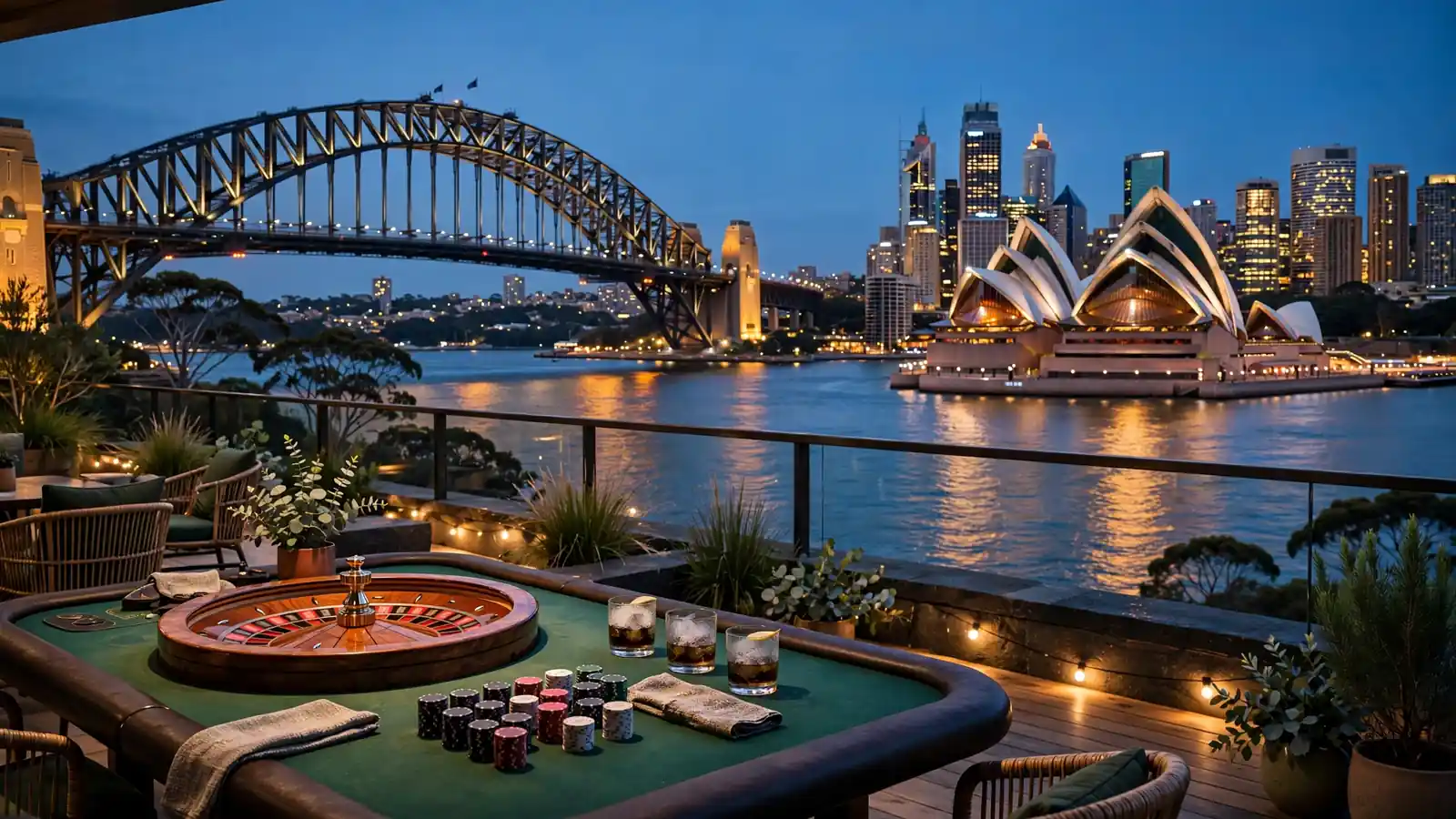
Then check what matters for your meal. Look for a current menu, including whether it reflects the restaurant’s present offering, and confirm any dietary requirements directly before relying on a dish description. If you need step-free access, space for a group or another practical arrangement, ask about that too. A restaurant’s name and attractive menu are useful starting points, not a guarantee that the visit will fit your needs.
Booking details deserve the same attention. Check whether the venue takes reservations, whether walk-ins are accepted and whether any conditions apply to your visit. If the information is unclear, contact the venue through a channel listed on its own site. I wouldn’t assume that an old review, a third-party listing or a social post answers a question about today’s service.
Also keep separate the ideas of a restaurant and other dining formats. A restaurant listing does not tell you whether a buffet is available, and a general reference to food does not confirm a particular restaurant. Those are different offerings. Check the exact one you have in mind.
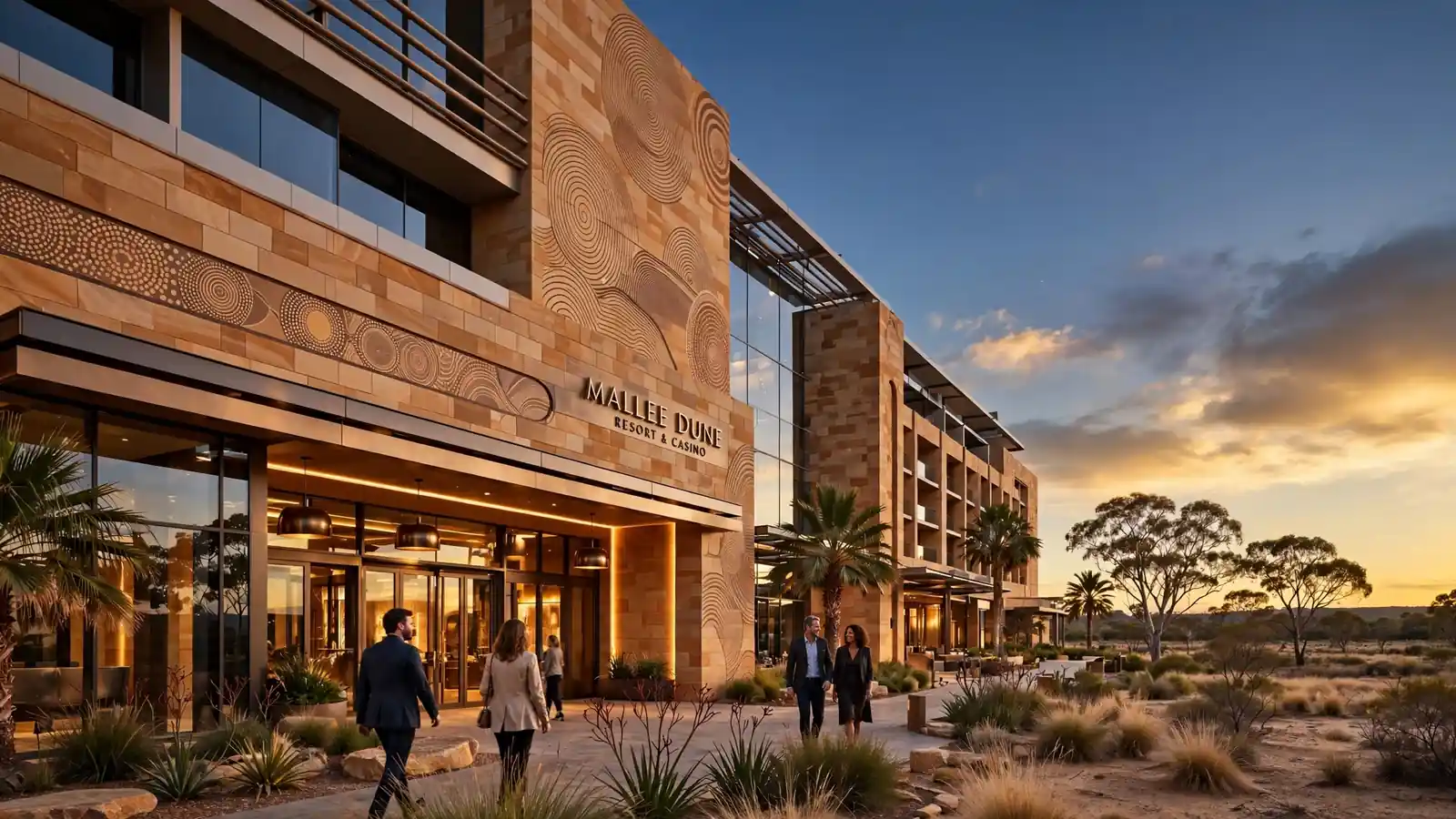
For a “best” restaurant claim, I’d want more than polished wording. Look for a current menu and practical details, then decide whether the style, price information and arrangements suit you. If those basics are missing, don’t let a confident label do the deciding.
Before setting out, make a short check: correct venue, restaurant currently listed by the venue, current menu, booking arrangements and any requirements that matter to you. If one of those is uncertain, ask first or make another plan. That’s less exciting than trusting a glossy page, but it saves a wasted trip.
Spa, Address and Dress-Code Searches
A search for a casino spa or day spa in Tasmania can make an amenity sound certain before you have checked whether it is available at the venue you plan to visit. I’ve learned not to turn a search result into a plan. Look for current venue information that specifically describes spa services, then check whether access, treatments and booking arrangements are explained. If those details are unclear, don’t assume the casino itself provides them.
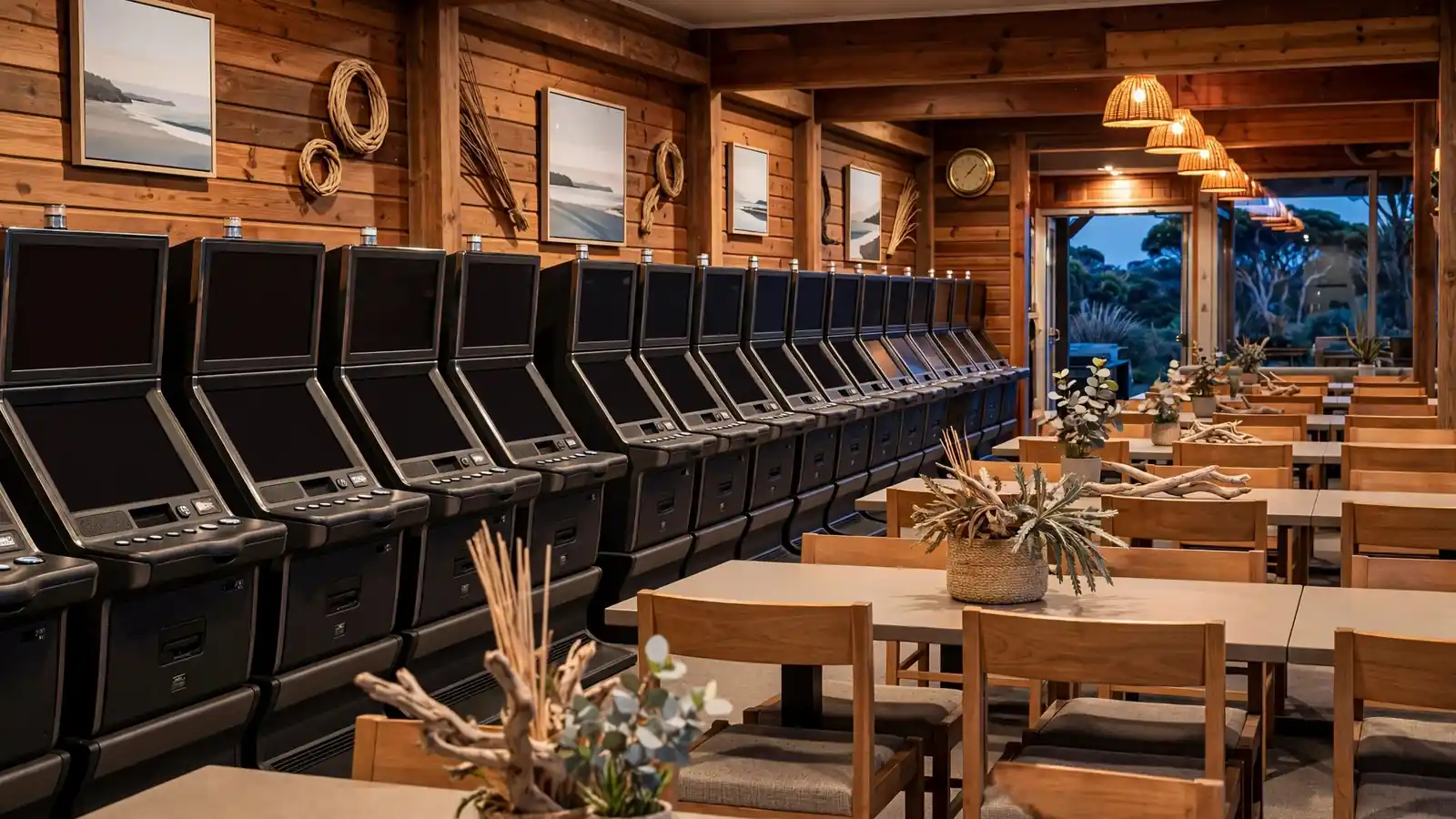
The same applies to the address. “Tasmania casino” is not a precise destination, so confirm the venue’s full name and street address before setting off. Check that the address is on an official venue page, and compare it with the destination shown in your mapping app. A map result can be useful, but I wouldn’t rely on a pin alone if it doesn’t clearly identify the venue. Small checks now beat arriving at the wrong place.
Dress-code searches are easy to misread, too. A photo of people dressed up, or an old visitor comment, does not establish the current policy. Check the venue’s own guidance for the areas you intend to visit, because expectations may differ between parts of a property. If the wording is broad, ask what it means for your plans rather than guessing from a promotional image. “Smart casual” is not much help if nobody explains what the venue accepts.
I’d use the same cautious approach for questions about bars or other facilities: a listing, photo or old review may not reflect what is operating now. Confirm the details that matter to you before travelling, especially if they affect how long you plan to stay or what you need to bring. This is not about making the trip complicated. It’s about avoiding the familiar trap of treating an attractive description as a promise.
For a casino visit, keep the checks practical: identify the right venue, confirm its address, establish whether the spa service you have in mind is actually offered, and read the current dress guidance. If one of those points is missing or vague, get clarification rather than filling in the blanks yourself. I used to assume the details would sort themselves out on arrival. Sometimes they didn’t. Better to check first.
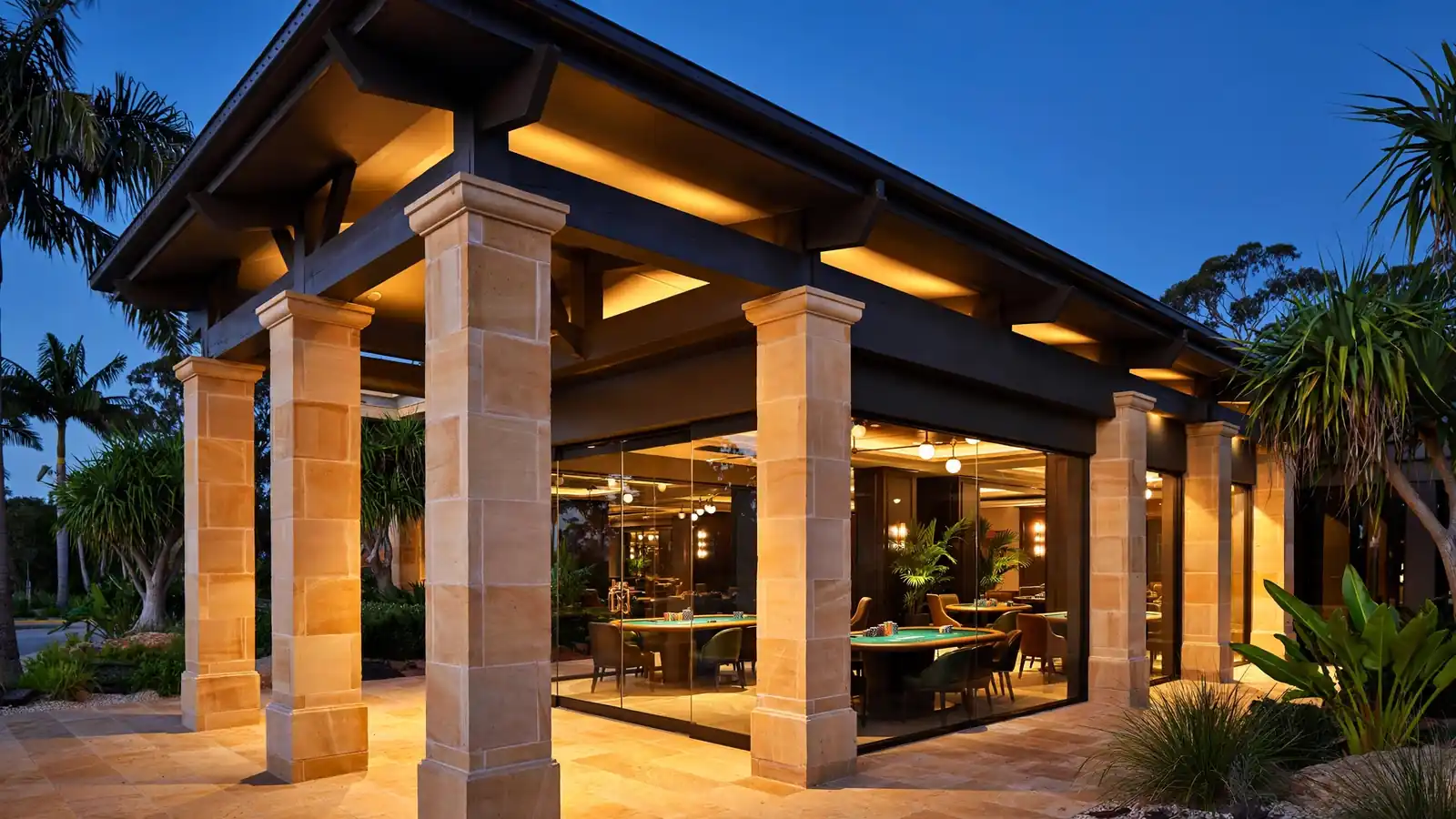
Food and Pool Queries: Confirm the Facilities First
When you’re planning a casino visit, food and a pool can change the shape of the day. But a venue’s name or a photo in an old listing doesn’t tell you what is available now. I’ve learned not to build an itinerary around an amenity until I’ve checked it directly.
For food, look for current information published by the venue itself. A general reference to dining does not necessarily mean there is a food court, and a food-court listing does not tell you which outlets are operating or when they serve. Check the venue’s own facilities and dining pages, and contact staff if the details are unclear. That is more useful than relying on an old directory entry.
The same goes for a pool. A pool might be part of a separate hotel or leisure facility rather than a casino’s own amenities, and a search result can blur that distinction. Confirm whether access is available to the guests you’re travelling with, whether it is operating during your stay, and whether any conditions apply. Don’t assume that a casino visit includes access just because accommodation and leisure details appear together online.
I’d also check the timing close to your visit. Venue information can change, and a facility may have different operating arrangements from the casino floor. If you need a particular option—somewhere to eat before heading in, or a pool for the rest of the day—get a clear answer before making plans around it.
“On-site” can sound straightforward, but it can hide a separate building, restricted access or a facility that isn’t currently available. A quick confirmation saves a wasted trip. Keep the answer, too, if you’re coordinating travel with other people; it is easier to plan from a direct response than to untangle assumptions later.
Are online casino-style games restricted in Australia?
Yes. The Interactive Gambling Act restricts Australian-based operators from offering online casino games such as pokies, blackjack and roulette to people in Australia, while sports betting remains widely accessible and legal.
What are the bonuses and wagering requirements?
Free-spin winnings commonly carry wagering requirements of 20x to 50x; one stated example requires wagering winnings 30 times before withdrawal. Pokies typically contribute 100% toward wagering requirements, and buy-bonus rounds usually cost 50x to 100x your stake.
What does the legal status of offshore online casinos and NSW gambling law say?
Offshore online casinos are not regulated under Australian law, though it is technically not illegal for Australian players to use them; Australian-run online casinos cannot offer these services to people in Australia. In NSW, you must be 18 to gamble on poker machines, and mandatory pre-commitment systems require players to set a loss limit before playing.
What is pokies region blocking?
Region blocking uses your IP address to identify your location and can prevent access to games or providers in excluded countries. Blocked games may not appear in the lobby or may fail to load.
What is the legal age to play pokies in NSW?
You must be 18 or older to gamble on poker machines in NSW.
Which pokies are geo-blocked from Australia?
NetEnt’s wide-area progressive jackpot games, including Mega Fortune and Hall of Gods, were geo-blocked from Australia. NYX Gaming/Next Gen titles including Foxin’ Wins and Doctor Love were also blocked.
Published by the SpinBetter Casino team.