





Offshore Casinos for Australian Players: Mobile Access
 Available in AU
Browser access is common on phones, but an app-like experience does not establish that an offshore operator is dependable.

Table of Contents
- Offshore Casino Access on Your Phone: Browser, PWA or App
- A Casino Site’s Licence Tells You Where It’s Regulated
- Searching from Australia? Don’t Mistake US Results for Local Access
- What “Offshore Casino” Means in Australia
- The Legal and Regulatory Risks You’re Actually Taking
- A 2026 Guide Without the “Guaranteed Payout” Talk
- What a “Top” Casino Claim Leaves Out
- How to Read a Casino Directory Before You Deposit
- “No Deposit” Bonuses Still Come With Conditions
- Crypto Casinos: Check the Withdrawal Route, Not Just the Deposit
Offshore Casino Access on Your Phone: Browser, PWA or App
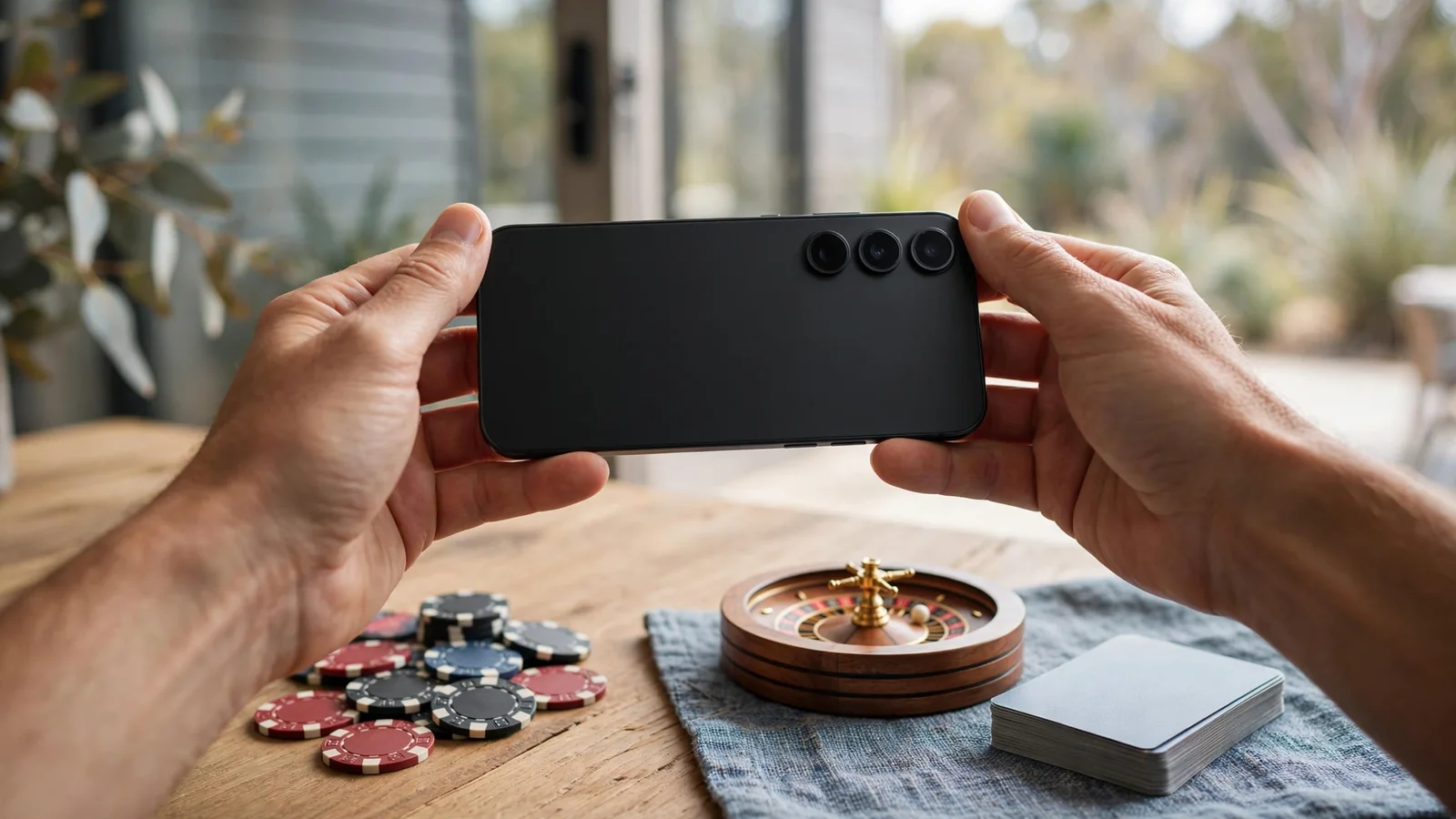
On a phone, an offshore casino is more often a website than an app you download from an official store. Most Australian mobile access happens in a browser, and the account you use there is generally the same one you would use on a desktop. That means you can open the site, sign in and use its mobile layout without installing anything.
I used to assume a proper-looking app must be the better option. That was a poor shortcut. The format tells you how the service is delivered; it does not prove the operator is dependable, or that the experience will be smooth on your particular phone. Browser play is the default for a reason: casino apps are rarely listed on Google Play or Apple’s App Store in Australia.
Browser play: the straightforward route
With browser access, you visit the casino website using the browser already on your phone. There is no separate casino app to find in an app store, and you do not need to create another account just because you have switched from a computer to a mobile device. The same login is used across those screens.
The practical upside is simplicity. You can open the site when you want it and leave it when you are done, without adding an icon to your home screen or installing a separate package. If something looks wrong, you can close the tab and return to the browser rather than trying to diagnose an app installation.
There can be ordinary mobile frustrations, of course. A page may be awkward to navigate on a smaller screen, or the site may not behave well in the browser you are using. I would treat those as usability issues, not as proof that an app is safer or that a website is unsafe. The useful test is whether the site works clearly on your device before you rely on it.

Browser access is not the same thing as finding a casino app in an official store. That distinction matters because social and free-play casino apps that use virtual credits are available through the Google Play Store and Apple App Store in Australia. Those are a different category from real-money offshore casino services. Seeing a casino-themed app in a store does not mean it is the same service as a casino website.
A PWA is still a website
Some operators offer a Progressive Web App, or PWA. In plain terms, it is a shortcut to the casino website that can behave more like a native app on your phone. You can add it from the website itself: tap the install or add-to-home-screen prompt, then confirm. The shortcut appears on the home screen, making the site easier to reopen.
That can make access feel more app-like, but a PWA is not a separate native app downloaded from an official store. It is tied to the website. If you remove the shortcut, you have not necessarily removed a full app in the same way you would uninstall a store download; you can still return through the browser.
I like that distinction because it cuts through the “app experience” wording. A home-screen icon is convenient. It is not a seal of approval. If the site offers a PWA, check that the installation prompt appears on the casino’s own website and that the address is the one you intended to visit. Don’t install a file just because a message or pop-up says it will make play easier.
Sideloaded apps need extra caution
A sideloaded app is installed from outside Google Play or Apple’s App Store. Some offshore operators may offer this route, but it is not the same as installing a reviewed store app. Sideloading can expose your phone to security risks, and the app’s safety depends on the operator. I would not treat an operator’s claim that an app is “official” as enough on its own.
Sideloading Risks
Sideloading apps from unfamiliar sources can expose your phone to security risks and may require changing device security settings.
Before installing anything, think about what access the app requests and whether you can use the website instead. Be wary of instructions that ask you to change device security settings or install a file from an unfamiliar source. If you are unsure, stop. The small convenience of an icon is not worth handing over control of your device without understanding what you are installing.
A VPN is not a workaround I would rely on to reach a blocked casino. Using one to access a blocked site may void winnings and lead to account closure. It can also make it harder to understand what is happening if the connection or account is challenged. Keep access simple and do not try to disguise your location.
So the choice is usually browser first, PWA if you want a home-screen shortcut, and a sideloaded app only with a clear understanding of the risk. I’ve learned not to confuse a polished icon with a safer service. Different wrapper. Same operator.
A Casino Site’s Licence Tells You Where It’s Regulated
A licence is a clue about which authority, if any, oversees an offshore casino operator. It is not a stamp saying every part of the service is safe, every dispute will be resolved in your favour, or every claim on the site is true. I used to treat a licence badge like a shortcut to trust. It isn’t. It tells you where to start checking, not where to stop.

Curaçao, the Malta Gaming Authority (MGA) and Gibraltar are among the jurisdictions associated with casinos that accept Australian players. Those names are not interchangeable, and seeing one on a homepage does not tell you everything about the business behind it. The key question is whether the licence information belongs to the operator you are actually dealing with—not simply whether a recognisable jurisdiction appears somewhere on the page.
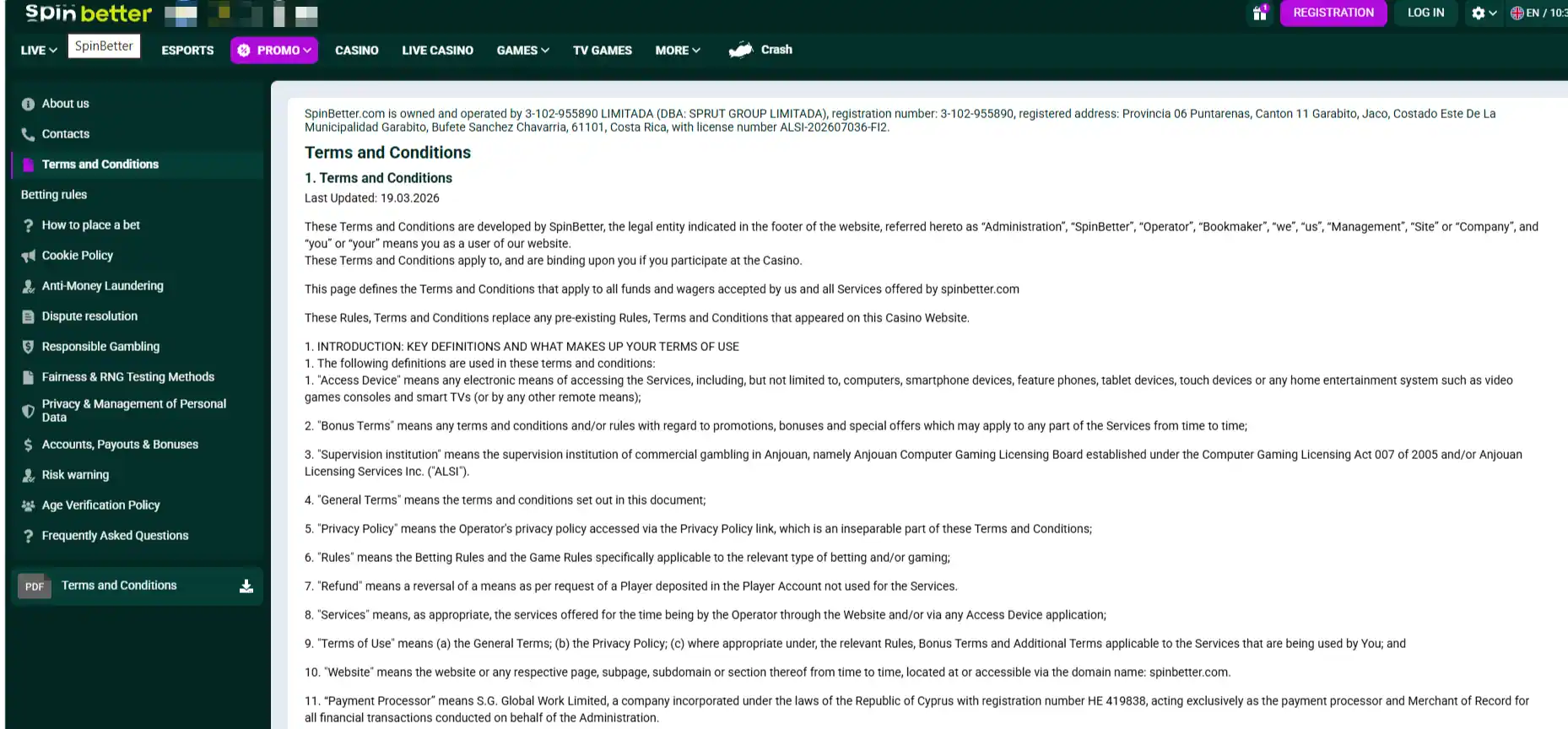
Start with the operator’s legal name and the licence details it provides. Then compare them with the information shown by the relevant licensing authority, where that information is available. Check that the company name and licence reference correspond, and that the casino’s domain is covered by the details you have found. A badge can be copied, out of date, or displayed without enough context to establish who runs the site. A polished footer is not verification.
There may also be a difference between the brand name you see and the legal entity named in the terms. That is not automatically proof of wrongdoing, but it gives you something concrete to reconcile. If the site uses one name in its promotions, another in its terms, and a third in the licence details, don’t guess that they are all the same company. Look for a clear explanation of how the names connect. If you cannot make sense of it, pause before sharing personal details or depositing.
Read the scope of the licence rather than relying on the word “licensed” alone. A licence can relate to a particular company or service; the general label on a website may not explain what it covers. I look for information that identifies the operator and connects it to the site I’m viewing. If the only evidence is a logo with no usable details, that is a weak basis for confidence. Paperwork matters. So does whether it matches.
- Compare operator legal names with licensing authority data
- Verify that the casino’s domain is covered by the licence
- Reconcile brand names with the legal entity in the terms
- Treat a licence badge as a shortcut to trust
- Rely on a logo with no usable details for confidence
- Assume a recognisable jurisdiction name proves a site is safe
Even a verifiable licence cannot promise a trouble-free experience. It does not tell you how quickly an operator will answer a complaint, whether you will agree with its interpretation of a rule, or how straightforward a dispute will be to resolve. Nor does it guarantee that a particular withdrawal will be approved. Those are separate questions from where the operator is regulated. Don’t let one answer stand in for all the others.
That distinction matters when comparing offshore casino sites. A site with a licence from one jurisdiction is not automatically better than a site connected to another, and a familiar regulator’s name is not a ranking. The useful comparison is practical: can you identify the responsible company, find the relevant licence information, and understand what the operator says about handling disputes? If those basics are hidden behind vague wording, treat the uncertainty as part of your assessment rather than filling in the gaps with optimism.
The same goes for offshore casino deposits and fees. A licence label does not, by itself, explain which payment methods the operator accepts, whether a method is available to you, or what charges may apply. Those details need to be checked in the casino’s own terms and payment information. A badge cannot answer them. Keep the questions separate: credentials on one side, transaction conditions on the other.

If you see claims about offshore casino alternatives, compare their actual credentials rather than taking “licensed” as a complete verdict. The operators discussed in this guide are offshore and crypto-friendly; that description is not an endorsement. Confirm that a site accepts your location before depositing. Do not use a VPN to get around a block: doing so may void winnings and lead to account closure. And remember the practical limit that matters if a dispute turns serious: there is no Australian government body to complain to if an offshore casino refuses to pay winnings.
I would not choose a site from its badge alone. I would use the licence details to identify who claims to regulate the operator, check that the details match the company and domain, and then assess the rest of the terms separately. If the trail does not join up, I would rather walk away than pretend a logo has answered the hard questions. No magic shield.
Searching from Australia? Don’t Mistake US Results for Local Access
A page written for people in the United States can look relevant when you are comparing offshore casino options from Australia. It may use familiar language, show a polished site and mention games or promotions that sound available to you. None of that tells you whether the operator will accept an Australian address.
The words “offshore” and “casino” do not describe one shared market. An article aimed at US readers may cover operators, access conditions or offers meant for people in a different location. A page that mentions both countries can be just as confusing: it might be comparing markets, or it might simply combine terms without checking whether each site serves both. Don’t treat a country name in a headline as proof of eligibility.
Attention: A country name in a headline or a polished US-focused page does not prove that an operator accepts Australian addresses.
I’ve made that mistake in another form: seeing a confident recommendation and assuming it applied to me. The page looked specific. It wasn’t specific enough.
Check the actual location rules
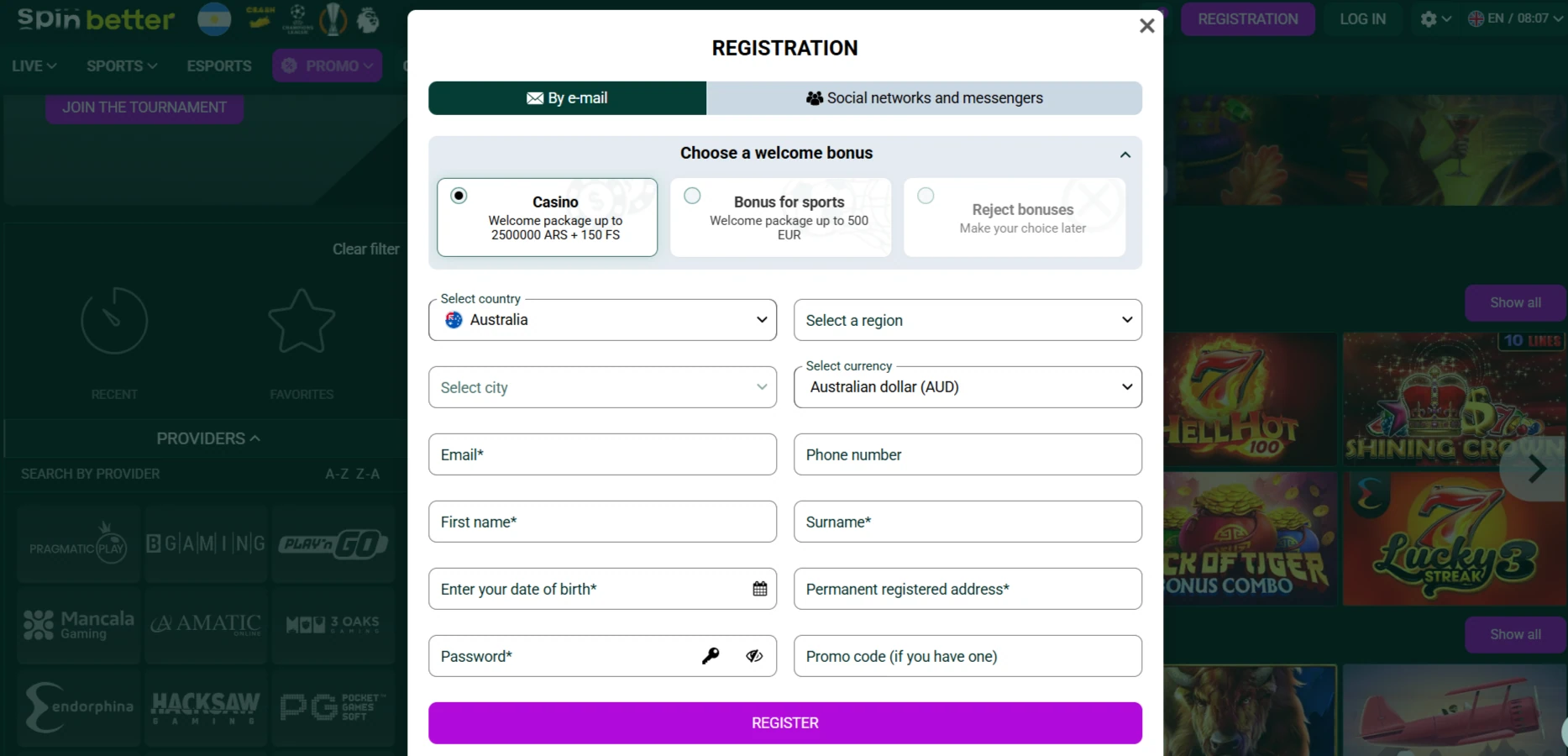
Before you register or deposit, look for the operator’s own terms on restricted countries and locations. Check the registration flow too, but don’t rely on being able to create an account as proof that you are eligible to use the service. If the wording is unclear, contact the operator and ask directly whether it accepts customers physically located in Australia. Save the response.
This matters even when a page describes itself as an Australian guide. A publisher’s description is not the operator’s confirmation. Nor does a site appearing in results mean it is accessible: the Australian Communications and Media Authority actively blocks access to illegal gambling sites, so a result may lead to a page that cannot be reached from your connection.
A blocked page is not a cue to try a VPN. Using one to access a blocked casino may breach the operator’s terms; winnings could be voided and the account closed. That is a poor trade for getting past an access restriction. If the site does not load, stop and establish whether the service is available to your location rather than trying to disguise where you are.
Country labels can hide a mismatch
When you see US-focused wording, ask what it is actually telling you. Does the page identify the audience it was written for? Does it say which locations the operator accepts? Are the registration and terms consistent with an Australian resident using the service? If it discusses an offer, is that offer available to someone in Australia, or is it only describing a promotion for another market?
Those checks are more useful than trying to infer access from a country label. Search results can point you towards information, but they cannot settle your eligibility. The same applies to a directory or comparison page: treat it as a starting point, then check the operator’s terms yourself.
If a directory presents recommended casinos, remember that the options it describes are offshore and crypto-friendly. That label does not establish that a particular operator accepts Australian residents, that it is reachable from your connection, or that a particular payment route is available to you. Confirm the location first. Do not deposit while that basic point is unresolved.
Don’t let a VPN blur the answer
A VPN can make a connection appear to come from somewhere else, but it does not change your actual location or make a site suitable for you. It can also create a mismatch between the location shown during registration and the details you later provide. If an operator treats VPN use as a breach of its terms, it may close the account or refuse winnings.
I would not treat a successful sign-up as reassurance either. Access at one moment does not promise that you will be able to use the account later, and it does not replace checking the terms. If the operator’s location policy is hard to find or gives conflicting answers, that uncertainty is the answer you need. Walk away.
No Local Recourse
If an offshore casino refuses to pay winnings, there is no Australian government body available to help you recover them.
There is another practical point I wish more pages put plainly: if an offshore casino refuses to pay winnings, there is no Australian government body you can complain to for help recovering them. That does not tell you what any particular operator will do; it means you should not mistake a comparison page, a country label or a smooth registration process for a safety net.
For me, the useful question is not whether a result calls itself an Australian casino guide or mentions the United States. It is whether the operator clearly accepts people in Australia, and whether that can be confirmed before any money is sent. If you cannot get a clear answer, don’t deposit.
What “Offshore Casino” Means in Australia
“Offshore” describes where the casino operator is based, not a special kind of game or a separate way for you to play. In this context, it means an online business operating from outside Australia that offers casino-style games to people in Australia. The site may look like any other gaming website, but the key distinction is that its operator is not providing the service from within the Australian market.
That word can make the arrangement sound more settled than it is. It tells you something about the operator’s location; it does not, by itself, tell you whether the service is permitted in Australia, how the site handles a dispute, or whether you should trust its claims. I’ve learned to treat labels as descriptions, not assurances.

The legal distinction that matters here is between the operator and the person using the site. Under the Interactive Gambling Act 2001, an operator cannot offer online casino-style games to people who are in Australia. That covers the service being provided: the business is the party offering the games to customers here. The Act does not make it illegal for an individual Australian to play at an offshore mobile casino.
Those points are easy to muddle. Someone may hear that an operator is acting unlawfully and assume that the customer is committing the same offence simply by opening an account. That is not what the Act says about an individual player. Equally, the fact that a player is not breaking that law by playing does not turn the operator’s offer into an authorised Australian service. Different roles, different legal position.
That distinction is worth keeping in mind when you see a site described as one of the “best offshore casinos.” The phrase is a label used to describe or promote services based outside Australia; it does not change the rules governing operators who offer casino games to people here. Nor does it tell you whether a particular site accepts Australian customers. The term alone settles none of that.
I also wouldn’t treat “offshore” as shorthand for a particular payment method, app, or style of play. It refers to the operator’s location. The way a site is accessed is a separate matter, and a website’s appearance on your phone doesn’t reveal where its business is based. A polished interface can still belong to a company operating beyond Australia.
There is another detail I’d keep separate: a player’s position under this law is not a promise that every practical problem will be easy to resolve. The narrow point here is that the Act does not make an individual’s play at an offshore casino illegal. It does not follow that a site is locally authorised, or that using it carries no other risks. Legal permission for the player and the operator’s ability to offer the service are not the same question.
If a site is blocked, don’t assume a VPN makes access safe or changes the operator’s position. Using one to reach a blocked casino may breach the site’s own terms, put winnings at risk, or lead to an account being closed. I wouldn’t use a tool to get around a block and then count on the operator to honour everything as normal. That is a gamble on top of the gamble.
So, when I use the term “offshore casino” in an Australian context, I mean a casino service run from outside the country and offered online, while keeping the operator’s legal position distinct from the individual player’s position under the Interactive Gambling Act. The name is only a starting point. It is not a stamp of approval, and it does not erase the difference between who provides the service and who uses it.
The Legal and Regulatory Risks You’re Actually Taking
Being old enough does not make an offshore casino a low-risk place to leave money. In Australia, you must be at least 18 to register and gamble. That is a basic threshold, not a sign that an overseas operator is accountable to Australian regulators.
ACMA, the Australian Communications and Media Authority, actively blocks access to illegal gambling sites. So a page that opened yesterday may be inaccessible later, or access may be interrupted. A block is not just a technical annoyance: it can leave you unable to reach your account when you want to check a balance, contact support or follow up a withdrawal. I would not treat a site’s temporary availability as proof that it will remain reachable.
Some people try to get around blocked access with a VPN. I would be wary of that. An operator may treat VPN use as a breach of its rules, and using one to reach a blocked casino may put winnings at risk or lead to the account being closed. If the site’s terms prohibit VPN access, a dispute over your location can become another reason for the operator to delay or reject a payment. Read the access rules before doing anything, and do not assume a VPN makes the situation safer.
The harder risk is what happens when the operator itself becomes the problem. If an offshore casino refuses to pay winnings, there is no Australian government body you can complain to that can make that operator pay. Australian agencies cannot offer the same local route for resolving a dispute with a business based overseas. You may be left dealing with the operator’s own complaints process, which is not independent of the company you are challenging.
VPN Risk
Using a VPN to reach a blocked casino may breach the operator’s terms, which can lead to account closure or voided winnings.
That changes how I think about a balance shown on screen. It is not cash in your hand, and a support chat saying “we’re looking into it” is not a resolution. If the operator disputes your identity, account activity or compliance with its terms, you may have limited practical leverage from Australia. A polished website does not change that.
Before depositing, confirm that the site accepts people located in Australia. Check its access terms, withdrawal rules and complaint process, and save copies of the relevant wording. If you cannot tell who handles a complaint or what happens when the operator rejects it, that uncertainty is part of the risk—not a minor detail to sort out later.
I also separate two questions people often roll together: whether an individual punter meets the age requirement, and whether an offshore operator is permitted to provide the service in Australia. The age rule is clear; it does not supply a local safety net for a dispute. ACMA’s blocking activity is another reminder that access can change without the operator becoming easier to hold accountable.
No local backstop.
A 2026 Guide Without the “Guaranteed Payout” Talk
“Guaranteed payout” is a sales phrase, not a promise you can rely on. I’ve learned to look past the headline and ask a duller question: what rules apply when I try to withdraw? That is where the practical difference shows up.
Some casinos set weekly or monthly withdrawal ceilings. A specialist review reports limits in the range of $4,000–$10,000 per week, but that is not a market-wide standard; check the specific terms in force before you act. A limit can affect how quickly you can access a larger win, even if the operator approves the withdrawal. Read the rules for the amount and timing of withdrawals, and whether any separate conditions apply.
Any casinos discussed in the accompanying directory are offshore and crypto-friendly. That description is not an endorsement or a promise of service. Confirm directly that a site accepts customers located in Australia before depositing; an accessible page or an appealing offer does not establish that it will accept your location.
I would also leave a VPN out of the plan. Using one to reach a blocked casino may breach the operator’s rules, void winnings and lead to account closure. Not worth the gamble.
Before claiming a bonus, read its terms, including wagering requirements, game restrictions, expiry dates and cashout caps. “Free” can still come with strings attached. If the wording is unclear, treat that as a reason to pause rather than assume the friendliest interpretation.
There is another practical limit to keep in mind: if an offshore casino refuses to pay, there is no Australian government body for you to complain to and seek recovery through. That leaves you relying on the operator’s own processes. I wouldn’t stake money I couldn’t afford to lose on a payout claim, however confident the promotional wording sounds.
Check the conditions first. The headline can wait.
What a “Top” Casino Claim Leaves Out
Choosing an offshore casino as an Australian player means checking the details that matter to you, such as licensing, deposit minimums and payout information. Use these concise verdicts as a starting point and verify the terms that apply before signing up.
License: Curacao Gaming Control Board OGL/2023/176/0095 (Hollycorn N.V.) LuckyVibe is listed with a Curacao Gaming Control Board licence, OGL/2023/176/0095, held by Hollycorn N.V.
License: Curacao Gaming Control Board OGL/2023/176/0095 (Hollycorn N.V.) Neospin is listed with a Curacao Gaming Control Board licence, OGL/2023/176/0095, held by Hollycorn N.V.
License: Curacao eGaming OGL/2023/174/0082 (Dama N.V.) · Min. deposit: A$15 LevelUp Casino is listed with a Curacao eGaming licence, OGL/2023/174/0082, held by Dama N.V. Its minimum deposit is A$15.
License: international iGaming licence – jurisdiction not named in the source · Payout speed: PayID 1-24 hours · Min. deposit: A$30 (PayID from A$10) House of Pokies lists an international iGaming licence, though the jurisdiction is not named in the available information. PayID payouts are stated as taking 1–24 hours; the minimum deposit is A$30, or A$10 when using PayID.
License: Curacao Gaming Control Board OGL/2023/174/0082 (Dama N.V.) SpinsUp is listed with a Curacao Gaming Control Board licence, OGL/2023/174/0082, held by Dama N.V.
License: Curacao eGaming (Roby Games Ltd) Roby Casino is listed with a Curacao eGaming licence held by Roby Games Ltd.
License: Curacao · Min. deposit: A$20 (POLi) Lucky Dreams is listed with a Curacao licence. Its minimum deposit via POLi is A$20.
Payout speed: crypto under 1 hour, PayID 1-3 business days · Min. deposit: A$20 (A$30 to qualify for the bonus) Ricky Casino states that crypto payouts take under an hour and PayID payouts take 1–3 business days. The minimum deposit is A$20, or A$30 to qualify for the bonus.
License: Curacao Gaming Authority (Jumpman Gaming Ltd) DragonSlots Casino is listed with a Curacao Gaming Authority licence held by Jumpman Gaming Ltd.
Payout speed: crypto 30-120 minutes, fiat 24-72 hours · Min. deposit: A$30 MrPacho states that crypto payouts take 30–120 minutes and fiat payouts take 24–72 hours. Its minimum deposit is A$30.
“Top” is a label, not a safeguard. I’ve learned not to treat a polished ranking or confident verdict as proof that an offshore, crypto-friendly casino will suit me—or that its setup will protect my money or wellbeing. A ranking can draw attention to a service; it cannot make the decision for you.
Before considering any site, confirm that it accepts people located in Australia before depositing. Do not use a VPN to get around a block: access that way may breach the operator’s rules, void winnings and lead to account closure. The label does not change that.
I’d also look past the headline and check what control you have over your own play. A specialist review describes tools such as deposit, loss and wager limits, session time limits, and self-exclusion. Their presence is only part of the picture. Read how each control works, when a limit takes effect, and what self-exclusion actually prevents. If the options are hard to find or the explanation is vague, that tells you something about the experience you may be signing up for.
Responsible Play Setup
- Decide your boundaries before you start playing
- Locate and read how deposit and loss limits work
- Check when a limit takes effect
- Understand what the self-exclusion process prevents
I used to focus on the grand claims and leave the settings for later. Bad order. Decide your boundaries before you play, and don’t rely on a ranking to set them for you. If you cannot make a clear plan for stopping, step away rather than letting a promotion or label hurry you along.
Remember, these services are offshore; if one refuses to pay winnings, there is no Australian government body for you to complain to. “Top” does not mean locally protected, and a list cannot remove that risk. Judge the controls and terms for yourself, not the badge.
How to Read a Casino Directory Before You Deposit
A directory is a starting point, not a verdict. The entries are offshore, crypto-friendly casinos; seeing one in a table does not mean it accepts Australian customers today, or that its terms suit you. Confirm that the site accepts your location before depositing. I’ve learned not to treat a tidy listing as a substitute for checking the operator’s own rules.
Use the directory to narrow down what you need to investigate, rather than treating its order as a guarantee of quality. Look for the details that matter to your decision, then open the casino’s own pages and read the conditions in context. If an offer catches your eye, check its wagering requirements, game restrictions, expiry date and cashout cap before claiming it. The headline is the easy part.
Verification is another thing worth anticipating. A first withdrawal commonly triggers KYC checks: the casino may ask for identification, such as a selfie or ID, along with proof of address. I used to think that was paperwork to worry about later. Bad timing. Make sure you can provide the requested documents and that the details on your account match them before you put money in.
Also consider what happens if a withdrawal turns into a dispute. There is no Australian government body you can complain to if an offshore casino refuses to pay winnings, so don’t read a directory entry as a safety net. And don’t use a VPN to get around a block: doing so may void winnings and lead to account closure.
Verification Process
Gather required documents such as a selfie or ID and proof of address.
Ensure the personal details provided during registration match your identification documents exactly.
Provide the requested documents when the casino triggers the KYC check during your first withdrawal.
The useful question is not “Which one is listed first?” It’s whether you understand the site’s conditions, can verify your identity, and are comfortable with the recourse available if something goes wrong. That’s less flashy. More useful.
“No Deposit” Bonuses Still Come With Conditions
“No deposit” sounds like money you can collect without putting anything in. I’ve learned to read that phrase as a description of how the offer starts, not what you can withdraw. The terms decide whether bonus funds can become cash, and whether the offer is worth touching at all.
A specialist casino review reports welcome-bonus wagering requirements in the 30x–50x range; it describes anything above 40x as steep. Check what the multiplier applies to: the bonus amount, the deposit, or both. Those are not interchangeable calculations. Also look for the minimum deposit needed to activate or withdraw from an offer, even when the initial bonus is presented as deposit-free.
The time limit matters just as much. A specialist review says many bonuses have a 7–10 day clearance window. If the deadline passes, the bonus may be lost. Read the expiry date before claiming, and check whether every game contributes equally—or whether some games are excluded or count differently. Don’t assume a balance shown on screen is withdrawable.
Then look for the cashout cap: it can limit the amount released from bonus play, regardless of what the account balance appears to show. Put the wagering calculation, minimum deposit, game restrictions, expiry, and cap together before deciding. If a term is unclear, ask the operator to explain it in writing before you opt in. Fine print counts.
This is information about an offer, not a recommendation to use an offshore crypto-friendly casino. If you are considering any site, confirm that it accepts your location before depositing. A VPN used to reach a blocked casino may lead to winnings being voided and the account closed. And if an offshore casino refuses to pay, there is no Australian government body to complain to.
Crypto Casinos: Check the Withdrawal Route, Not Just the Deposit
An offshore crypto-friendly casino can make depositing with cryptocurrency look like the whole story. I used to focus on getting funds in, then discover I had barely checked how I could get them back out. That is the part worth reading before you deposit.
Start with the cashier’s withdrawal rules, not the deposit logos. Check whether the casino allows crypto withdrawals, which currencies it supports, and whether the method you plan to use is eligible. Some operators require withdrawals to go back through the deposit method; others list certain options as deposit-only. The available route can depend on the operator, so confirm the details on the specific site.
Timing needs the same scrutiny. A specialist review may report crypto withdrawals being processed in under 24 hours, but that is a reported figure, not a promise for your account. The casino may have a pending period or ask for identity checks before approving a first withdrawal. Processing by the casino and arrival in your wallet are separate steps.
Then look for the less flashy conditions: minimum and maximum withdrawal amounts, fees, and any rules about splitting a larger balance across requests. If the terms are unclear, ask support to explain the route before sending money. Keep a copy of the answer and the withdrawal rules you relied on.
Also make sure you understand what happens if the casino refuses to pay. There is no Australian government body to complain to when an offshore casino withholds winnings. Crypto does not change that, and it does not guarantee a faster or safer payout.
My old mistake was treating a familiar payment logo as proof that cashing out would be simple. It isn’t. Read the withdrawal conditions first, and confirm the site accepts your location before depositing.
Can I use a VPN to access blocked casino sites in Australia?
No. Don’t rely on a VPN to reach a blocked casino: it may lead to account closure and forfeited winnings.
Should players use a browser or an app?
Use the browser as the straightforward default; many offshore casinos offer browser play or a PWA rather than a native app. A PWA adds a home-screen shortcut, while sideloaded apps carry extra security risks.
Is mobile casino gambling legal in Australia?
The Interactive Gambling Act 2001 prohibits operators from offering online casino-style games to people in Australia, but playing at an offshore casino is not illegal for individual Australian players.
Do players need an app to play on mobile casinos?
No. You can usually play through your phone’s browser using the same account as on desktop; some casinos also offer a PWA shortcut.
Is browser play or an app easier for most players?
Browser play is usually the simpler option: you visit the site without installing anything and use your existing account. A PWA can make reopening the site more convenient with a home-screen shortcut.
Prepared by the SpinBetter Casino editorial staff.